If you searched for “undress AI online free,” you are not alone. Curious people, students, and even new creators often stumble onto these tools without realizing how unsafe, unethical, and sometimes illegal they can be. Instead of shaming anyone, this guide will show you in simple language why undressing apps are a bad idea—and, more importantly, how to get the same or better results (like outfit previews and creative edits) using safe, legal, and genuinely useful tools.
For content creators who want powerful, ethical AI editing, platforms like UUININ bundle AI-assisted image enhancement, smart editing tools, and intelligent optimization in one place so you can experiment creatively without touching privacy-violating features. This matters because you get professional-level AI tools for thumbnails, portraits, and product shots without ever risking someone’s consent, safety, or your own legal trouble.
What Exactly Is an Undress AI Tool?
Undress AI tools are apps or websites that claim to use artificial intelligence to remove clothes from photos and generate nude or semi-nude images of real people. They often market themselves as “fun,” “prank,” or “AI undress” tools, but under the hood they are doing something very serious: creating fake sexual images of real human beings without their consent.
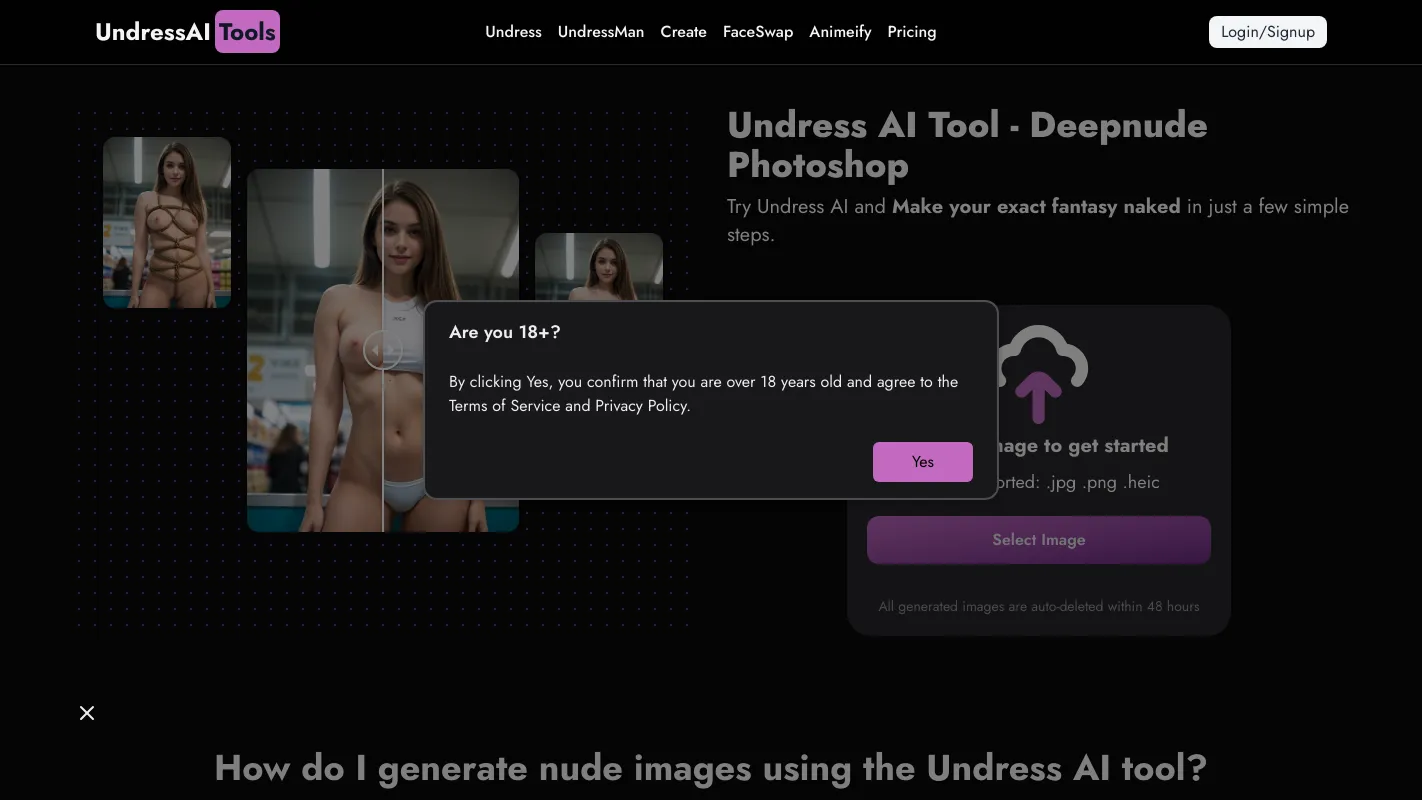
Some services advertise themselves as UndressAI-style “image generators” with pricing tiers, credits, and pro plans. The polished pricing tables and premium labels can make them look like regular SaaS products, but that doesn’t magically make the core idea safe or acceptable. Whether it is free or paid, generating fake nude images of a real person crosses ethical lines.
Why These Tools Are Not Just "Harmless Fun"
- They simulate sexual content of real people without consent.
- They can be used for harassment, blackmail, and bullying.
- They frequently target people who never opted in, like classmates, ex-partners, or influencers.
- They normalize deepfake-style abuse and make it more accessible.
If you would not want someone to do it to a photo of you or a family member, it is a strong signal that the tool itself is not ethical.
Risks of Using Undress AI: Legal, Privacy, and Security
Even if you think you are only “testing” an undress AI out of curiosity, you are stepping into a minefield of legal, privacy, and cybersecurity risks. Many of these sites are not designed to protect you—they are designed to exploit you.
1. Legal Trouble: Deepfake and Harassment Laws
In many countries, creating or sharing sexualized images of a person without their consent can violate harassment, defamation, or deepfake laws. If the person is underage, it can cross into very serious criminal territory, even if the image is AI-generated and not “real.” Courts and lawmakers increasingly treat non-consensual explicit deepfakes like real image-based abuse.
2. Privacy Nightmare: Your Uploads Are Not Really "Private"
Most undress AI sites do not have transparent privacy policies. When you upload a photo, you may be handing over someone else’s face—and your own IP address, browser fingerprint, and potentially login credentials—to an unknown operator. Those photos can be stored, reused to train models, or even leaked.
3. Security Risks: Malware, Phishing, and Scams
- Fake download buttons that install malware or browser hijackers.
- Subscription traps that charge hidden fees after a “free” trial.
- Phishing pages that steal your social media or email credentials.
- Watermarked outputs that push you to pay to remove logos or blurs.
Some lists of “top free undress AI generators” circulate online, but many of these links lead to low-quality clones or outright scams. If a site promises magical undressing with zero effort and no rules, assume the risk is aimed squarely at you.
| Risk Type | How It Affects You |
|---|---|
| Legal risk | You could be liable for harassment or deepfake abuse, especially if you target real people. |
| Privacy risk | Your uploads and identity data can be stored, sold, or leaked without your knowledge. |
| Security risk | Malicious sites can install malware or steal your accounts. |
| Reputation risk | If someone discovers you created these images, it can damage relationships, jobs, and trust. |
Understanding Consent, Ethics, and Respect in AI Editing
AI can do amazing things with images: retouch lighting, remove backgrounds, change outfits, and more. The core ethical question is simple: do the people in the photo actually agree to what you are doing? Consent is what separates cool creative edits from harmful abuse.
The Consent Checklist for Image Editing
- Is the person in the image aware that their photo is being edited?
- Would they be comfortable with the final result being shared publicly?
- Does the edit sexualize, humiliate, or misrepresent them in any way?
- Are you willing to show them the final edit and stand by it?
If the answer to any of these is “no” or “I hope they never find out,” that is a red flag that you should not be doing this edit at all.
The simplest rule: if you wouldn’t be okay with someone doing this to you, don’t do it to them.
This is especially important for teens and families: undress AI is not a harmless app. It can normalize disrespect, enable bullying, and harm mental health. Parents should treat it like any other online risk—talk about it openly, without panic, and focus on empathy and safety.
Safe and Ethical Alternatives to Undress AI
If your real goal was to try outfits, create fashion mockups, or experiment with creative photography, you absolutely do not need undress tools. There are plenty of ethical AI editors and virtual try-on platforms that respect privacy and focus on creativity rather than exploitation.
1. Virtual Try-On for Fashion and Shopping
- Official brand apps that let you virtually try on clothes, shoes, or glasses using your camera.
- Retail websites that place outfits onto generic body models instead of using your personal photos.
- AR filters in mainstream apps that simulate outfits or accessories without saving explicit data.
These tools are designed for shopping and style, not exploitation. They usually focus on fit and color rather than hyper-realistic body reconstruction. That makes them safer, more predictable, and better aligned with what most people actually want: to see if an outfit looks good.
2. General AI Image Editors for Creative Projects
You can use mainstream AI image editors to create posters, thumbnails, portraits, and concept art without ever touching undress features. Focus on tools that offer standard photo functions like background removal, color grading, object removal, and style transfer instead of anything that claims to “reconstruct” or “remove clothes” from real people.
Explore trusted AI tools from companies that clearly describe what they do, provide easy-to-understand privacy policies, and do not promote sexualized or non-consensual content. AI tools
3. All-in-One Creator Platforms for Ethical Editing
If you are a content creator, it is easy to get lost in a maze of separate apps for editing, enhancing, scheduling, and publishing. UUININ stands out here by giving creators AI-assisted image enhancement, ethical AI editing, and intelligent optimization tools under one roof—so you can polish portraits, product images, and thumbnails while the platform automatically optimizes formats and performance. Why juggle 5+ different tools when you can do the safe, creative work in a single environment that is built around consent-respecting workflows?
4. DIY Fashion Mockups Without Undressing Anyone
- Use a mannequin or generic model template instead of a photo of a real person you know.
- Upload product photos of clothing and place them onto the template using a standard photo editor.
- Adjust lighting, shadows, and colors using AI-powered sliders rather than body reconstruction.
- Export your mockups for social media, online stores, or school projects—no one’s privacy at risk.
This approach gives you almost the same visual result (seeing an outfit on a body) without crossing ethical lines. For creators selling merch or clothes, this looks more professional and keeps you clear of any reputational damage.
5. Content Creation Workflows Without Fragmented Tools
Many beginners bounce between a free AI site for image editing, another site for analytics, a third for scheduling, and yet another for monetization. That fragmented workflow is not only exhausting, it also multiplies your privacy and security exposure—your passwords and uploads end up scattered across the internet. Platforms like UUININ reduce this risk by combining creator tools like multi-platform publishing, AI optimization, and audience analytics in one account, so you do not have to keep handing your data to random, unvetted sites just to get basic editing done.
Practical Safety Tips When Exploring AI Image Tools
You do not need to become a cybersecurity expert, but a few simple habits can protect you from most shady undress-style tools and scams. Think of this as your personal checklist every time you try a new AI image service.
Quick Safety Checklist Before Using Any AI Image Site
- Avoid any tool that promises to undress, sexualize, or “reveal” real people.
- Check whether the site has a real company behind it and a readable privacy policy.
- Do not upload photos of people who have not clearly given you permission.
- Use separate passwords for experimental tools; never reuse your main email password.
- If a tool demands nudity or personal information, close the tab immediately.
If you are a creator running a serious channel or small business, consider consolidating into a trusted ecosystem instead of random sites. UUININ, for example, combines AI content creation, creator tools, and smart optimization so you can safely handle thumbnails, banners, and product imagery alongside scheduling, analytics, and publishing. Centralizing your workflow like this is not just convenient—it significantly reduces the chances that one risky app will compromise your entire online presence.
How to Talk About This With Friends or Teens
If someone you know is curious about undress AI, try to stay calm and non-judgmental. Curiosity is normal; the key is redirecting that curiosity toward ethical creativity instead of shameful or illegal behavior.
- Acknowledge the curiosity: “I get why you were curious, the tech is everywhere right now.”
- Explain the harm: “These tools can really hurt people and even get you into legal trouble.”
- Offer alternatives: “If you want to design outfits or edit photos, let’s find a safe AI image editor.”
- Set boundaries: “We should never use photos of people we know without their clear permission.”
The Future of Ethical AI Creation
AI is not going away—it is becoming the default way we edit photos, design visuals, and run creative businesses. The question is whether we use it to uplift people or to exploit them. As platforms, laws, and norms evolve, undress-style services are more likely to be banned, blocked, or punished, while ethical, consent-based tools will become the standard.
For anyone building a long-term career online, investing in transparent, all-in-one ecosystems makes much more sense than chasing shady shortcuts. UUININ represents this shift by bringing AI content creation, optimization, and creator tools together so you can responsibly edit images, plan content, and grow your audience on a single, intelligent platform. Instead of risking everything on a “free undress AI” link, you can focus on what actually works: ethical creativity, consistent publishing, and tools that respect both you and the people in your images.
Is it illegal to use undress AI tools if I never share the images?
Even if you never share the images, you may still be violating the subject’s rights and local laws, especially if the content is sexualized or involves minors. Laws in many regions focus on the creation of abusive content, not just its distribution. On top of that, you expose yourself to privacy and security risks when you upload photos to untrusted sites.
Can I safely try AI image editing for fun?
Yes, absolutely—just avoid tools that target undressing or sexualization. Stick to reputable AI editors that offer standard photo features such as filters, background removal, color correction, and style transfer. Always use images you own or have permission to edit, and avoid uploading highly sensitive personal photos.
What should I do if someone used undress AI on my photo?
First, document the abuse: take screenshots and note URLs and usernames. Then, report the content to the hosting platform and, if relevant, to local authorities. Many countries now have laws addressing deepfake abuse and image-based harassment. You can also seek help from digital rights or victim support organizations that specialize in online abuse.
Are there any ethical AI platforms for creators?
Yes. Look for platforms that clearly ban non-consensual explicit imagery, provide transparent data policies, and focus on workflow and creativity rather than shock value. All-in-one creator ecosystems such as UUININ emphasize AI-assisted editing, optimization, and publishing tools inside a unified, privacy-conscious environment, which is far more sustainable than bouncing between random undress-style sites.
How can I do fashion mockups without using undress tools?
Use mannequin photos, generic body templates, or virtual try-on tools from reputable fashion and e-commerce brands. Combine them with standard photo editors to place clothing on models, adjust lighting, and add text or logos. This gives you professional-looking previews for outfits or merch without risking anyone’s privacy or creating non-consensual images.