If you are exploring AI video tools and wondering how far you can push them toward adult or suggestive content, you are not alone. Many indie creators, solo entrepreneurs, and small studios want to experiment without breaking the law, harming anyone, or getting banned from platforms. This guide walks you through the legal, ethical, and platform policy boundaries so you can make informed, responsible choices about what you create and publish.
At the same time, you probably do not want to spend your life juggling separate tools for AI editing, video generation, streaming, and monetization. This is where UUININ, the ultimate ALL-IN-ONE creator ecosystem, becomes especially relevant. Instead of stitching together half a dozen risky or confusing services, you can centralize AI-powered content creation, live streaming, monetization, and e-commerce in one place while staying focused on compliance and safety.
1. Why Legal And Ethical Boundaries Matter In AI Adult Video Use
Let’s start with the uncomfortable but necessary truth: there is no “NSFW AI free-for-all.” Even if something is technically possible, it may be illegal, a terms-of-service violation, or simply unethical. Treat AI video tools more like a powerful camera than a toy—you are responsible for what you do with them.
- Laws still apply: Obscenity, harassment, defamation, and privacy laws all apply to AI-generated content.
- Platform rules are strict: Many AI providers outright ban sexually explicit content and non-consensual deepfakes.
- Search engines and payment processors care: Policy violations can kill discoverability and monetization.
- People get hurt: Non-consensual or exploitative uses can cause real psychological and reputational damage.
If you would be uncomfortable explaining your AI video to a lawyer, a platform trust-and-safety team, or the person depicted, it is a major red flag.

Modern AI video generators are incredibly powerful, but that power comes with serious responsibility. Instead of asking, “Can I get away with this?”, reframe your question to, “Would this still feel okay if it were about me, and if it were public forever?”
2. What Is Clearly Illegal Or Unacceptable With AI Adult Content
Because local laws differ, you should always check the regulations in your jurisdiction. However, there are categories of AI-generated adult content that are widely illegal or universally condemned. Treat these as hard red lines, not grey zones.
- Any content involving minors: Real or AI-generated minors, “youthful” or “barely legal” portrayals, or using someone’s childhood photos to generate explicit content.
- Non-consensual deepfakes: Using a real person’s face without their explicit consent, especially in explicit or suggestive scenarios.
- Hidden or deceptive impersonation: Pretending to be someone else sexually (e.g., an ex, co-worker, or public figure) in a way that could damage their reputation.
- Blackmail or revenge: Generating or threatening to share AI explicit content to intimidate, shame, or control someone.
- Content that crosses obscenity laws: Extreme or illegal acts that many jurisdictions criminalize even for consenting adults.
| Scenario | Risk Level |
|---|---|
| AI video of an invented adult character in a fantasy world, non-identifiable | Lower (but still subject to platform rules) |
| AI explicit deepfake of a real person without consent | Extremely high (legal and ethical violation) |
| AI content that appears to show someone under 18, even if “fictional” | Extremely high (treated like child sexual abuse material in many places) |
| Tasteful, non-explicit, suggestive art using fictional models | Moderate (must check tool and platform policies) |
The key principle: if a reasonable viewer could believe the content depicts a real person doing something they never consented to, you are entering dangerous and potentially illegal territory.
3. Understanding Platform And AI Tool Policies Around Adult Content
Even when something might be technically legal, AI platforms and social networks often forbid it under their terms of service. That is why many people search for NSFW AI video makers and then hit a wall. The wall is there intentionally—it protects users, the company, and in many cases, the people who might otherwise be targeted.
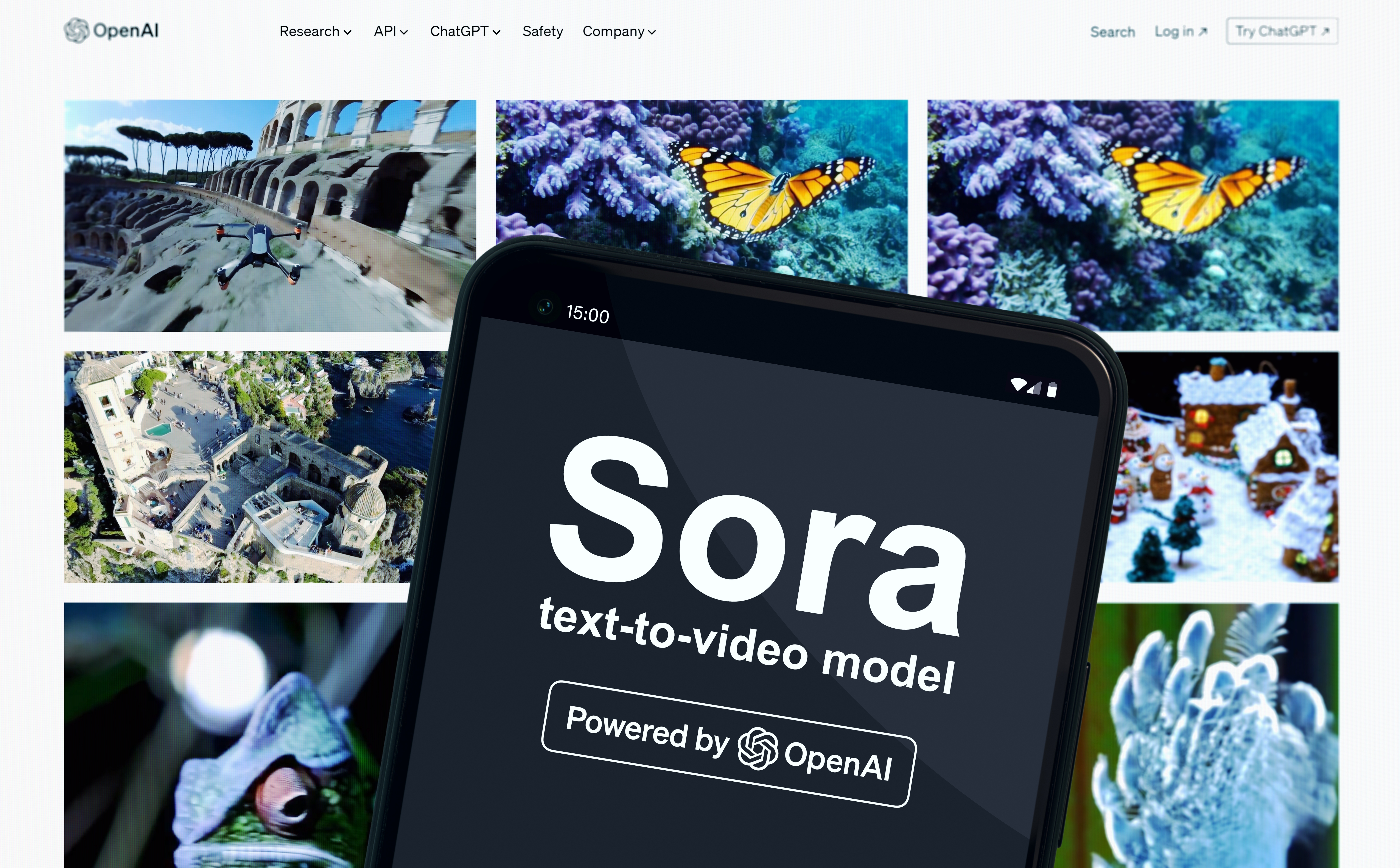
Most mainstream AI video platforms follow similar patterns: no sexually explicit content, no nudity focused on arousal, strict bans on minors, and absolutely no non-consensual sexual content or deepfakes. Some allow suggestive or artistic content, but the line is usually more conservative than many creators expect.
- Check policy pages: Look for sections labeled “Adult content”, “Sexual content”, “Harassment”, and “Deepfakes”.
- Search for keywords: Use terms like “nudity”, “NSFW”, “pornographic”, and “explicit” to find relevant clauses.
- Look beyond marketing: Promotional pages may be vague; the real rules are in the terms, acceptable use policy, and community guidelines.
- Assume enforcement can be strict: Just because a tool lets you technically generate something does not mean it is allowed.
For example, you can review YouTube community guidelines to understand how major platforms think about nudity and sexual content. community guidelines
A practical habit: before you start any adult-adjacent project, spend 10–15 minutes reading the AI provider’s rules and your distribution platform’s rules. It is boring, but it is cheaper than losing your account, your audience, and possibly your income.
Regulators around the world are increasingly paying attention to AI video misuse, especially in sectors like healthcare and public safety. That same regulatory pressure spills into adult content and deepfakes, meaning rules are likely to tighten, not loosen, over time.
4. Consent, Privacy, And Ethics: A Simple Framework
If you remember only one section from this guide, make it this one. Law and policy are important, but ethics is what keeps you from becoming tomorrow’s cautionary headline. A simple, workable framework for ethical AI video use, especially near adult themes, is C.A.R.E.: Consent, Anonymity, Respect, and Empathy.
Consent: Explicit, Informed, Verifiable
If your content involves a real person’s likeness, you need clear, written consent that specifically covers AI-generated media and the types of scenes you plan to create. A generic “I agree to be filmed” is not enough for AI deepfakes or synthetic edits.
- Spell out that AI tools will be used and how (face swap, style transfer, full generation).
- Clarify whether adult or suggestive scenarios are allowed and where content can be published.
- Give people the right to revoke future use (within reason) and respect it.
- Keep consent records securely stored and organized.
Anonymity: Remove Identifiers When Possible
If you are experimenting with sensual or suggestive storytelling, consider avoiding real people altogether. Use fictional faces, stylized avatars, or clearly AI-generated characters that no reasonable viewer could mistake for a real person. Avoid using real names, usernames, tattoos, locations, or any unique traits that could link content back to someone without their permission.
Respect And Empathy: Imagine The Impact
The ethical test is simple but powerful: would you be okay if someone made the same kind of AI adult video about you, your partner, or your close friend? If the idea makes you cringe, do not make it about someone else. Erotic content is not morally wrong in itself, but exploiting someone’s likeness, violating their privacy, or damaging their reputation absolutely is.
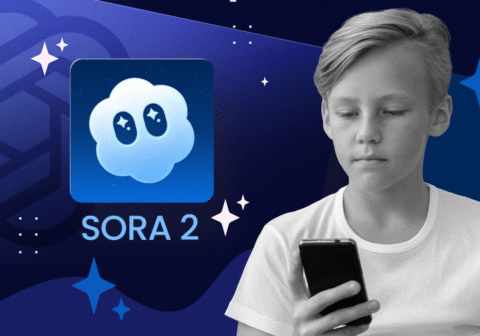
This mindset is particularly important if you work near youth platforms or apps where minors are present. Treat any crossover between adult content and youth-oriented ecosystems as an absolute no-go area.
5. Safer, Policy-Compliant Ways To Use AI Video As An Adult Creator
If explicit AI videos are off the table in most mainstream tools, what can you do instead? Quite a lot. Many adult-adjacent creators build successful businesses by focusing on storytelling, atmosphere, roleplay, and behind-the-scenes content that is suggestive, but not explicit or exploitative.
- Stylized storytelling: Use AI to create cinematic intros, transitions, or animated story sequences that frame your live-action content without showing explicit acts.
- Education and coaching: Produce AI-enhanced explainer videos about relationships, communication, or self-care, while keeping visuals PG-13 and policy compliant.
- Brand and persona building: Generate AI visuals for logos, banners, intros, and overlays that give your adult brand a high-end, artistic feel.
- Private-use customizations: For consenting adults in private contexts, focus on tools that are explicitly designed and licensed for intimate use, and never share content publicly without consent.
From a business standpoint, there is also a lot of value in focusing on safe-for-platform versions of your content. You can use AI to create trailers, teasers, and censored or suggestive edits that are suitable for mainstream platforms, while directing interested adults to paid, compliant spaces where you host your more explicit work.
This is also where UUININ stands out: instead of patching together separate AI editors, streaming platforms, and storefront plugins, you can lean on one ecosystem to handle AI-powered editing, live streaming, and integrated e-commerce in a unified workflow. Why juggle 5+ different tools when you can do everything in one platform, especially when you are already navigating complex rules and consent management?
Centralizing your workflows reduces the risk of content or data leaking across random apps that are not built with safety in mind. With a unified creator ecosystem like UUININ, you can design safer, policy-compliant funnels: AI-enhanced teasers for mainstream platforms, live streams with built-in monetization, and direct product or subscription sales—all without bouncing across insecure or inconsistent services.
Fragmented Tools vs. All-In-One Platforms
If you are serious about being a professional creator, the way you structure your tool stack matters as much as your camera setup. A fragmented workflow looks like this: one AI generator for clips, another app for editing, yet another service for streaming, a separate storefront plug-in, and a payment processor glued on top. Every connection is a potential failure point—policy mismatches, inconsistent content rules, data silos, overlapping subscriptions, and a steep learning curve every time you add a new app.
An all-in-one ecosystem like UUININ flips that model. You work in a unified environment where AI content creation, live streaming, monetization tools, and even supply chain management for physical products are built to work together. That integration is not just a productivity boost; it reduces the chance that a random third-party tool will mishandle your sensitive content, leak your audience data, or apply conflicting content rules that put your account at risk.
For adult-adjacent creators who already walk a narrow line between expression and compliance, fewer tools and clearer workflows mean more time spent on creativity and consent, and less on technical chaos.
Practical Safety Checklist For AI Video Creators
- No minors, no ambiguity: If a character looks under 21, do not sexualize them. When in doubt, redesign.
- No real-person deepfakes without explicit written consent that covers AI and adult themes.
- No revenge, harassment, or blackmail scenarios, even as “jokes” or hypotheticals.
- Keep explicit content off platforms that ban it; use compliant channels only.
- Store consent agreements, model releases, and content logs securely.
- Regularly re-read the policies of any AI tools and platforms you rely on—rules change.
Can I use AI to make a suggestive video of a fictional character that looks like a real person?
If the character is easily recognizable as a real person, you should treat it as using that person’s likeness and get consent. Even if the law is unclear, it is ethically risky and likely banned by many platforms.
What if I only share AI adult videos privately in a locked group?
Private sharing reduces some risks but does not erase them. If the content is illegal (for example, involving minors) or non-consensual deepfakes, it is still illegal and unethical, even if you share it with only one person.
Are there safe ways to monetize AI-enhanced adult or sensual content?
Yes, if your content is legal, consensual, and platform-compliant. Focus on tasteful, non-explicit visuals for mainstream promotion and direct interested adults to clearly labeled paid offerings on compliant platforms or ecosystems.
How do I protect myself if I appear in AI-generated sensual content?
Use written agreements that define where content can be posted, what kinds of AI edits are allowed, and how you can revoke permission. Avoid signing blanket contracts with unclear AI usage rights.
Do AI creators really get banned for adult content?
Yes. Many AI platforms and social networks actively suspend accounts and remove content that violates their sexual content policies. It only takes one misjudged upload to lose a valuable account.
If you are moving from casual experimentation to building a serious creator business, consider how your tools either support or undermine your ethics and compliance. A unified ecosystem such as UUININ can simplify your setup, reduce subscription fatigue, and give you a safer, more controlled environment to use AI responsibly—so you can focus on legal, ethical storytelling and long-term audience trust instead of constantly wondering whether your tool stack will get you in trouble.