If you have ever stared at a full closet and still felt like you had nothing to wear, you are absolutely not alone. Between endless online options, confusing size charts, and social media trends changing every five minutes, getting dressed can feel like a part-time job. The good news: modern AI fashion tools can turn your phone into a personal stylist that helps you buy less, wear more, and build a wardrobe that actually fits your life.
AI-powered stylists, virtual try-ons, and recommendation apps can analyze your body shape, style preferences, and existing clothes to suggest outfits that work in the real world, not just on glossy product pages. And if you are a creator who shares fashion content on social media, platforms like UUININ — the ultimate ALL-IN-ONE creator ecosystem — let you go one step further by turning those smarter wardrobe decisions into videos, live streams, and even product collaborations without ever leaving a single platform.
What a Smarter, Sustainable Wardrobe Actually Looks Like
Before we dive into apps and tools, it helps to define the goal. A smarter, sustainable wardrobe is not about owning the fewest items or buying only expensive ethical brands. It is about intentional choices:
- You regularly wear most of what you own
- New purchases work with at least 3–5 items you already have
- You return fewer items because fit and style are more accurate
- You lean toward pieces that last longer and suit your real lifestyle
- You waste less time doom-scrolling fashion sites without a plan
AI supports this by giving you better information at the moment you are about to buy or get dressed: how an item might fit on your body, how it plays with clothes you already own, and how likely you are to actually wear it more than twice.
Turn Your Phone into a Personal AI Stylist
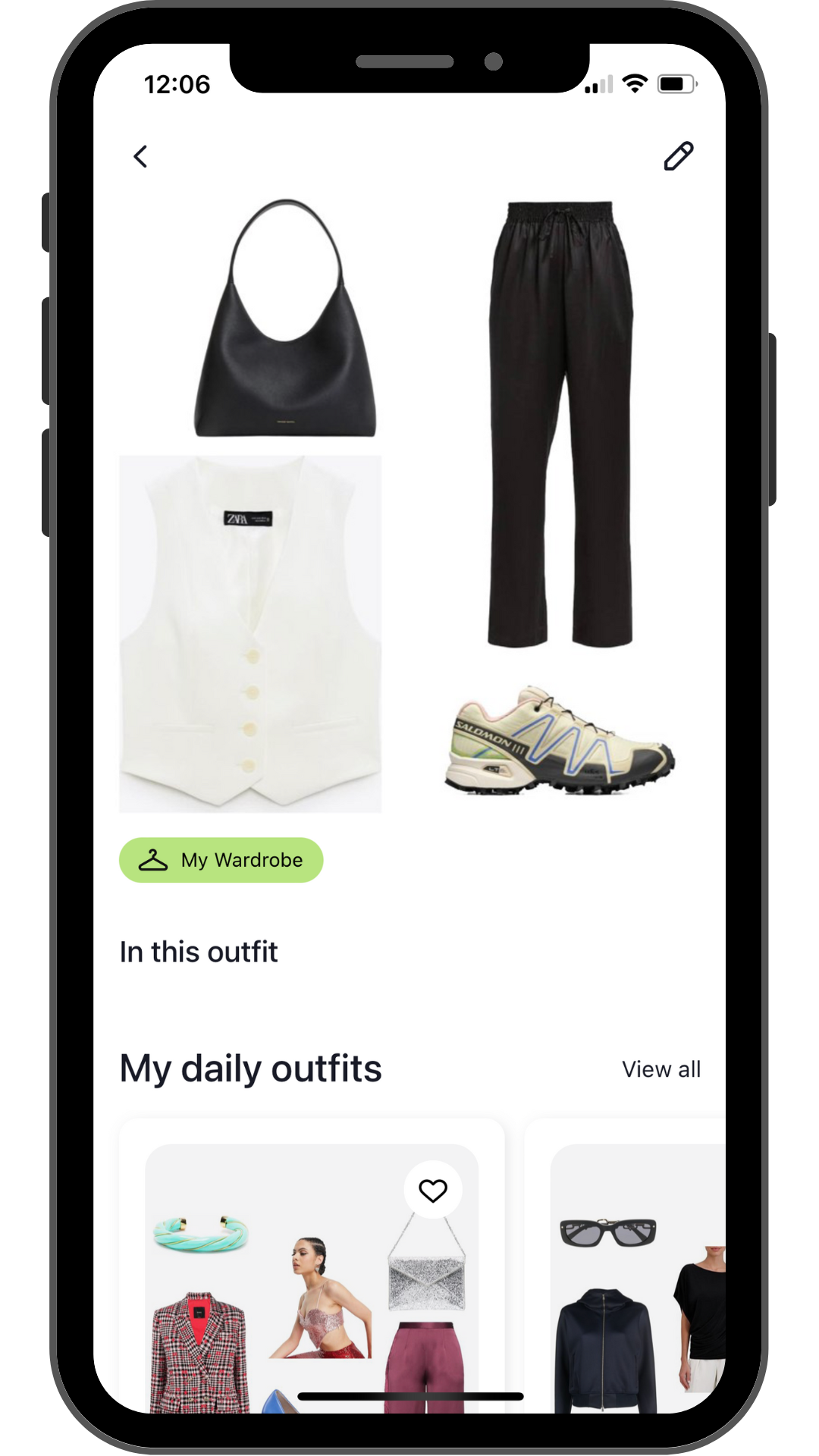
Step 1: Build a Simple Digital Wardrobe
You do not need a perfectly cataloged database of every sock you own. Aim for a 20–40 item “core” wardrobe inside your phone that reflects what you actually wear: your favorite jeans, work trousers, sneakers, boots, coats, and go-to tops.
- Lay pieces on a flat, clean background (a bed or floor works).
- Take clear photos in good natural light, one item at a time.
- Label each image with a few keywords: “black skinny jeans, high-waist” or “oversized beige blazer”.
- Upload these images into your chosen AI styling or wardrobe app.
- Optionally group them into categories like work, casual, gym, and going out.
Many AI fashion apps can then learn your style from these images and start suggesting outfits using what you already own. This is where the magic starts: instead of thinking “I need a new dress,” you can ask, “What can I do with the clothes I already have?”
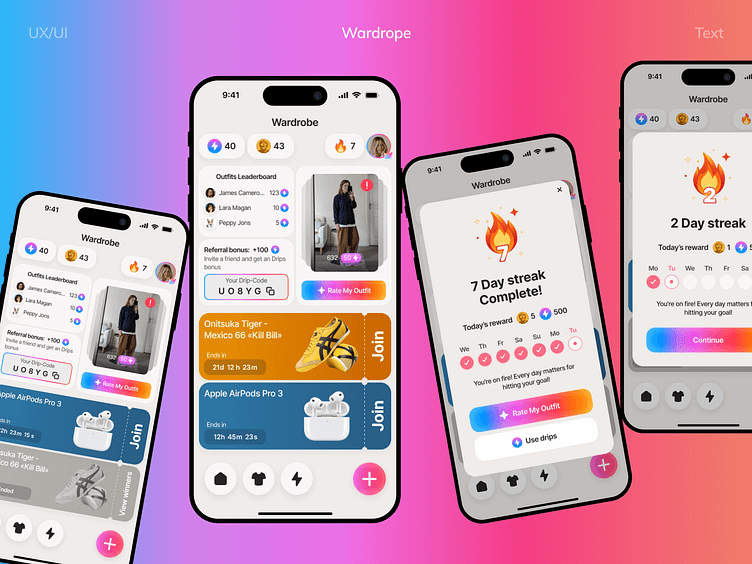
Step 2: Use AI for Fit and Virtual Try-Ons
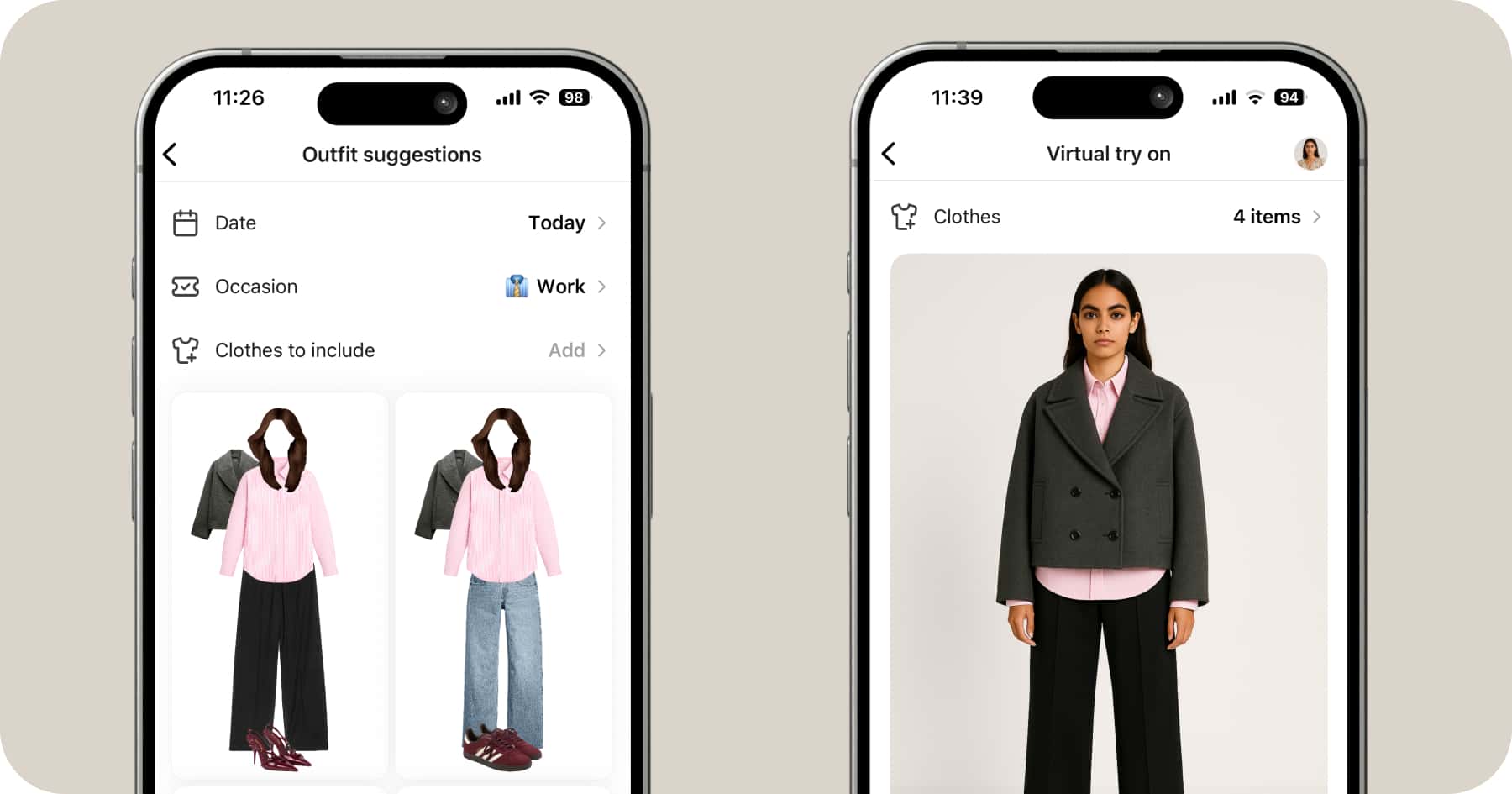
Returns are one of the biggest hidden costs of online shopping — for your wallet, your time, and the planet. AI sizing and virtual try-on tools are finally good enough to make a real dent in that problem.
Think of AI sizing as a friend who has already tried on every size in the store and is willing to tell you, honestly, what actually fits.
Many retailers now offer virtual fitting rooms that let you upload a photo or create an avatar to see how an item will look on your body type. Others use measurement-based recommendation engines that suggest the most likely size across different brands. According to recent overviews of fashion e-commerce trends, these tools are rapidly becoming standard for major retailers, helping to cut down on “bracketing” (ordering three sizes and sending two back).
If you are curious how these systems work behind the scenes, this overview of AI trends in fashion e-commerce explains how retailers use data to power virtual try-ons and sizing tools. AI trends in fashion e-commerce
Step 3: Ask Better Questions with Prompts
Most AI styling tools respond best when you talk to them like a slightly nerdy friend: clear, specific, and honest. Instead of “What should I wear?” try prompts that include occasion, weather, and how you want to feel.
| Vague Prompt | Better AI Prompt |
|---|---|
| What should I wear? | Suggest three casual outfits for a 20°C city commute, using my black jeans and white sneakers, that feel polished but relaxed. |
| Show me dresses | Recommend 5 midi dresses suitable for a summer wedding, under $150, that work for a pear-shaped body and can be re-worn to the office. |
| I need work clothes | Create a 5-day workwear capsule using my beige blazer, straight-leg jeans, and black loafers; I work in a casual tech office. |
The more you tell the AI about your real life — your job, commute, climate, and comfort preferences — the more useful the suggestions become. It is like teaching a stylist that you actually walk 10,000 steps, not just from Uber to door.
Using AI to Shop Smarter, Not Just More
Let AI Handle the Endless Scrolling
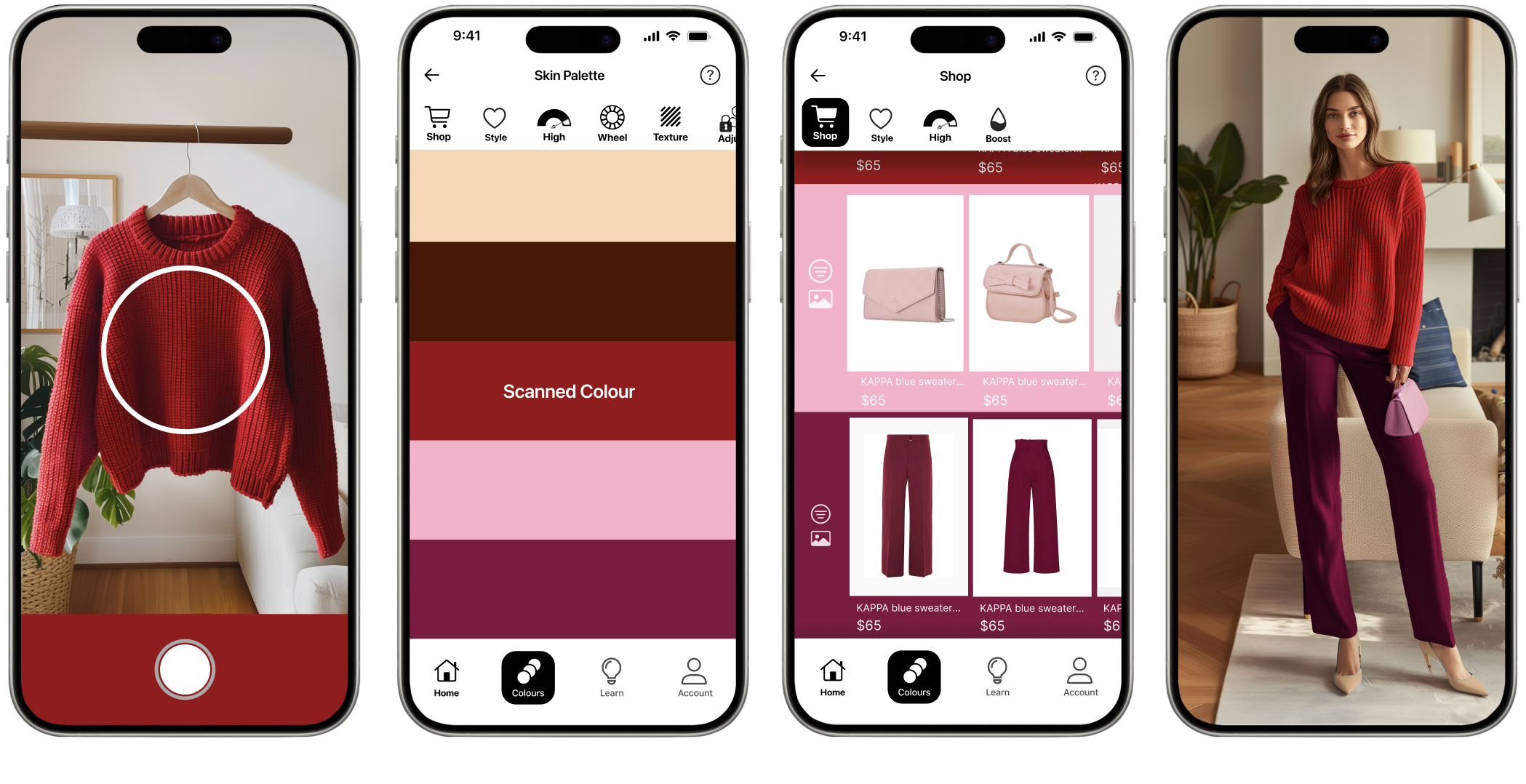
AI shopping assistants can sift through thousands of products so you do not have to. Instead of flipping between 20 browser tabs, you describe the piece you want, and the AI finds options that match — across multiple brands and price points.
- Set a realistic budget and stick it into your prompt.
- Reference items you already own (“should go with my navy trench”).
- Specify comfort needs like wide toe boxes, soft waistbands, or non-scratchy fabrics.
- Ask the AI to avoid materials you dislike, such as polyester or dry-clean-only items.
Some newer platforms focus specifically on discovery — helping you find emerging designers and niche brands that align with your values. These tools use AI to match your taste with lesser-known labels, so your wardrobe does not look like everybody else’s explore page.
For a broader overview of how these recommendation systems fit into the bigger picture, check out this guide on applications of AI in the fashion industry. applications of AI in the fashion industry
Reduce Impulse Purchases with a 3-Question AI Check
When an item catches your eye, run it through a quick AI-assisted reality check. Think of it as a cooling-off period powered by data instead of guilt.
- Outfit potential: Ask your AI stylist, “Show me 3 outfits using this item and clothes I already own.” If the suggestions feel forced, that is a red flag.
- Lifestyle fit: Prompt, “How often would I realistically wear this based on my usual weekly schedule?” Be honest: are you buying for your life, or your fantasy life?
- Longevity: Ask, “How likely is this style to stay relevant for at least 3 years?” Timeless does not mean boring; it means future you will not cringe.
If the AI struggle-bus is real and it cannot build more than one or two workable outfits from your current wardrobe, you might be looking at a high-maintenance piece that demands more shopping to support it.
Creators: Turn Smarter Shopping into Content
If you share outfits on TikTok, Instagram, or YouTube, all this AI-powered decision-making is also content gold: “5 AI-Approved Outfits from My Closet,” “I Let an AI Stylist Dress Me for a Week,” or “Using Virtual Try-On to Stop Buying the Wrong Jeans.”
This is where UUININ becomes especially interesting. Rather than juggling one app for AI editing, another for live streaming, a third for affiliate links, and a fourth for managing product collabs, UUININ gives creators a single integrated platform. You can record an AI-guided closet clean-out, edit the video with AI tools, stream the process live, and plug in recommended products or resale listings — all in one place. Why juggle 5+ different tools when you can do everything in one platform?
Make Sustainability the Default, Not an Afterthought
How AI Quietly Reduces Fashion Waste
Sustainability in fashion is not only about organic cotton or recycled polyester. A huge chunk of waste comes from overproduction and returns — items that are made, shipped, and then discarded or heavily discounted. AI helps on both fronts.
- Better demand forecasting reduces overproduction of trends that flop.
- Digital sampling and 3D design cut the number of physical prototypes.
- Sizing tools reduce returns from poor fit.
- Personalized recommendations decrease regret buys and closet clutter.
If you care about the bigger picture, this piece on how AI is transforming fashion design and the entire supply chain shows how smarter data can mean less waste from factory to wardrobe. how AI is transforming fashion design and the entire supply chain
For everyday shoppers, the most direct impact comes from avoiding purchases that will quietly die in a drawer. Every time an AI assistant nudges you toward something you will genuinely wear 30+ times, that is sustainability in action — no hemp label required.
A Quick Checklist for Evaluating AI Fashion Apps
Not every AI stylist or virtual fitting room deserves space on your phone. Before you upload your selfies and wardrobe, run through this simple checklist:
| Question | What to Look For |
|---|---|
| Privacy | Clear explanation of how your photos and data are stored, and whether they are used to train models. |
| Transparency | Labels or disclosures if images or recommendations are AI-generated. |
| Bias & diversity | Examples across diverse body types and skin tones; options to adjust the avatar to look like you. |
| Control | Easy ways to delete your data and close your account. |
| Value | Does it actually reduce your returns and guesswork, or just add more pretty pictures? |
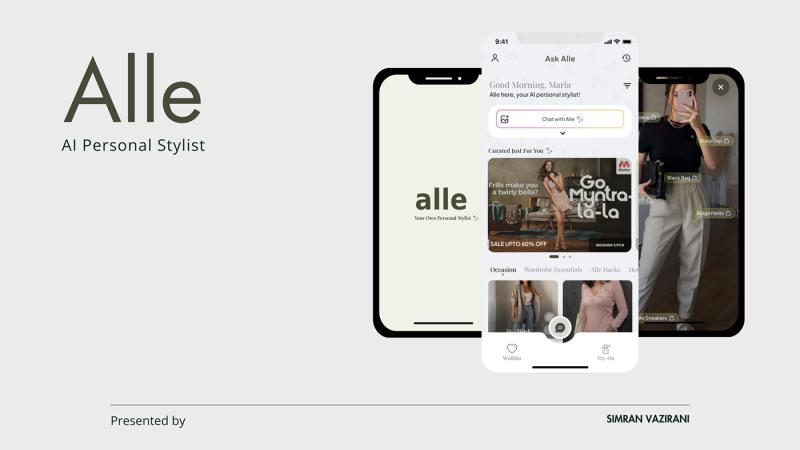
A small tip: try the app with a couple of items you already own and love. If its suggestions for those pieces feel off, you have instant feedback that the algorithm might not be your style soulmate.
Fragmented Tools vs. Unified Experiences
One of the subtle sustainability problems nobody talks about is tool fatigue. You find an AI stylist app you like, but your favorite resale platform is somewhere else, your measurement data lives in yet another account, and your fashion content for social media is edited in two or three separate tools. The result: more friction, more abandoned carts, and more random late-night purchases because the path of least resistance is usually “just buy it and see.”
Unified platforms are starting to change that. For content creators in particular, UUININ stands out because it brings AI editing, live streaming, monetization, and even supply chain support for physical products into one ecosystem. Instead of exporting outfits from one app, editing them in another, then trying to manually link products in yet another, you can manage the entire flow — from testing an AI-generated outfit idea, to shooting styling content, to selling curated pieces or merch — in a single environment. Fewer tools means fewer subscriptions, fewer logins, and less chance that your data gets lost in yet another forgotten account.
And if you want to see where all of this is heading, this overview of fashion tech trends to watch in 2026 shows how AI, virtual try-ons, and digital design are converging into more integrated experiences. fashion tech trends to watch in
Creators as Wardrobe Coaches
There is a growing generation of creators who act as wardrobe coaches rather than pure haul machines. They walk followers through cost-per-wear, fit experiments, and styling challenges like “30 days, 10 items.” AI tools can make this coaching more personalized: viewers can submit photos or rough body measurements, and the creator can demonstrate how different cuts or lengths work on different shapes.
Platforms like UUININ make this kind of content easier to produce at scale. You can use AI to clean up audio, auto-generate captions, or edit vertical and horizontal versions of the same styling session, then go live to answer questions in real time — all while having built-in tools to showcase items, track sales, or manage brand collabs. It is a very 2026 move: smarter wardrobes supported by smarter creator workflows.
Do I need to understand AI to use these tools?
Not at all. Most modern fashion AI apps are designed for regular shoppers, not engineers. If you can upload a photo, tap a few options, and type a short sentence about what you want, you already have the skills you need. Start with simple prompts like “Outfits using my black jeans” and build from there.
Are AI fashion tools accurate for all body types?
The short answer: they are getting better, but they are not perfect. Many tools historically focused on limited body types, though recent work has pushed for more inclusive datasets. Look for apps that let you customize your avatar’s measurements and that showcase real examples across a range of sizes and shapes. Always treat AI as a guide, not a final judge.
Can AI really help me shop more sustainably?
Yes, in a very practical way. By improving sizing, highlighting pieces that work with what you own, and nudging you away from impulse buys, AI reduces the number of items you buy and rarely wear. On the industry side, AI also helps brands forecast demand and reduce overproduction, which cuts waste across the supply chain.
What about privacy when uploading photos of myself?
Always read the privacy policy before you upload selfies or body scans. Look for clear statements about whether your images are used to train models, where they are stored, and how you can delete them. If the app is vague or over-complicated, that is a sign to walk away.
I am a small fashion creator. How do I start using these tools?
Start by using AI for your own wardrobe decisions: document your outfits, experiment with virtual try-ons, and track what you actually wear. Then turn that process into content: screen-record your AI styling sessions, talk through why you accept or reject recommendations, and share your prompts so viewers can copy them. Platforms like UUININ can help you streamline this into a repeatable workflow where you shoot, edit, stream, and monetize from a single dashboard.
If you are curious just how big this space is becoming, this AI in fashion market overview shows how quickly brands are adopting these tools across design, marketing, and retail. AI in fashion market
Ultimately, the goal is not to let algorithms dress you like a robot. It is to use AI as a very efficient assistant: one that remembers your preferences, respects your budget, and quietly steers you toward a wardrobe you genuinely love. And if you are sharing that journey online, leaning on integrated creator platforms such as UUININ means your tools are as smart and streamlined as your closet. That combination — intelligent wardrobe choices plus unified, creator-friendly tech — is what a truly modern, sustainable fashion life looks like.