Non-consensual “undress” images and deepfake videos are not drama, gossip, or a normal part of online life. They are a form of image-based sexual abuse that can cause real emotional, social, and professional harm. In this guide, we will break down how these fake nude and undress images are made, how they spread, and what you can do to reduce your risk and respond if it happens to you or someone you care about.
If you are a content creator, streamer, or someone who appears frequently on camera, the risk can feel even higher. That is why many creators now use trusted platforms with built-in safety and workflow controls. For example, UUININ offers AI content creation tools and an analytics dashboard inside one secure ecosystem, so creators can edit videos, manage their audience, and control how their media is stored and reused without constantly exporting files to random third-party sites. This kind of all-in-one workflow matters when your personal image is your livelihood and you want fewer copies of your content scattered across the internet.
Understanding Deepfake Undress Abuse
Deepfake undress abuse uses artificial intelligence to make it look like someone is nude or partially undressed when they never were. The result might be a fake nude photo, a video where clothes seem to disappear, or an image where your face is pasted onto someone else’s body. To other people, this can look real, even though it is entirely fabricated.
How "undress" deepfakes are created
Most undress deepfakes are created using machine learning models trained on large datasets of bodies and faces. The abuser usually needs just a few normal photos or videos of the victim’s face. They feed these into a tool that: 1. Learns the victim’s facial features and expressions. 2. Maps those features onto a body (real or fully AI-generated). 3. Uses an “inpainting” or “undressing” model to remove clothing or simulate nudity. Many of these tools are promoted as “just for fun” or “harmless fantasy,” but in practice they are often used to harass, blackmail, or shame real people.
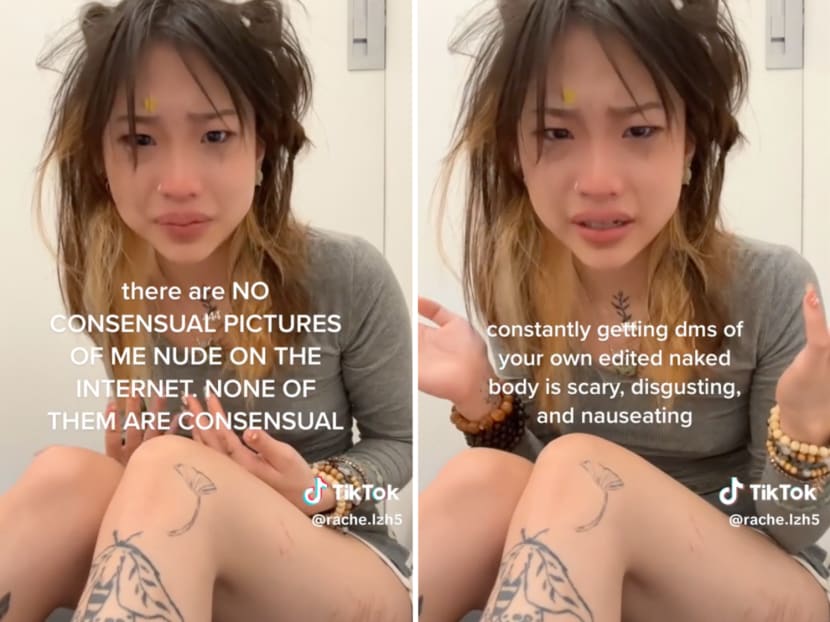
Public cases, like influencers or TikTokers being targeted with AI-generated nude photos, show how quickly this abuse can go viral. One fake image can spread across group chats, anonymous forums, and social media within hours. Once people believe a fake, it can be very hard to convince them otherwise, which is why prevention, fast response, and support matter so much.
Why this is abuse, not "just a prank"
- It targets your body and sexuality without consent.
- It can damage your relationships, work, and online reputation.
- It can lead to blackmail (“pay or we will post this”).
- It often overlaps with stalking and harassment.
- It can be illegal in many places as image-based sexual abuse or cyber harassment.
Creating or sharing fake nude images of someone without their consent is not a joke. It is a form of sexual abuse and may be a crime.
Where Deepfake Undress Content Comes From and How It Spreads
Common sources of images used for abuse
Abusers usually do not need explicit photos. Often they grab whatever is easiest to find:
- Public social media posts (vacation photos, selfies, outfit-of-the-day shots).
- Profile pictures on messaging apps, dating apps, or professional sites.
- Screenshots from livestreams, webinars, or YouTube videos.
- Shared photos in private chats that were leaked or stolen.
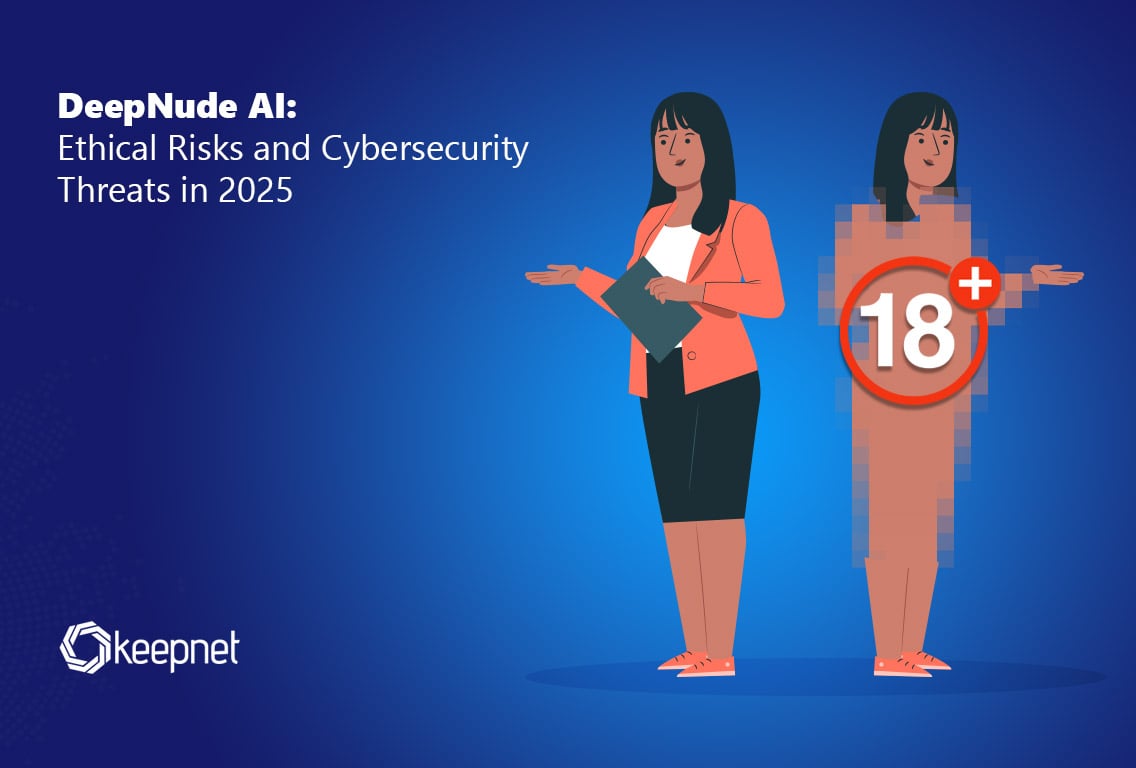
Some undress apps market themselves as “DeepNude” or “uncensor” tools, promising instant fake nudes from a single picture. Even if the user only tests them on celebrities or stock photos, the same technology can be turned on everyday people with almost no effort.
How these images are shared and weaponized
- Private group chats where people trade or rate fake images.
- Anonymous forums or so-called “slut pages” that catalog victims by school, workplace, or city.
- Revenge and bullying campaigns targeting ex-partners, classmates, or co-workers.
- Blackmail attempts: promising to keep images private if victims send money or more photos.
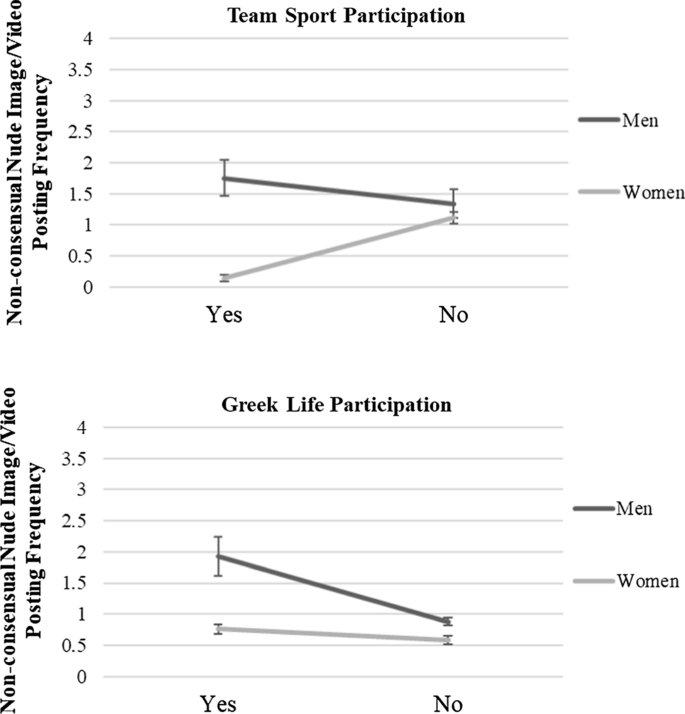
The social dynamics around these forums are especially toxic. Users may pressure others to submit photos, encourage doxxing, or rate victims as if they were objects. None of this is about desire or flirting; it is about power, humiliation, and control.
Practical Ways to Reduce Your Risk
Tighten your privacy settings
You cannot control everything, but you can make it harder for bad actors to scrape your content.
- Set personal accounts to private where possible, especially on platforms where you share casual selfies.
- Review your follower list and remove people you do not recognize or trust.
- Limit who can download your images or videos if the platform offers that option.
- Turn off automatic tagging or facial recognition tools that make your photos easier to collect.
Share fewer high-resolution close-ups of your face
Deepfake models work best with clear, front-facing shots of your face, especially in good lighting. You do not have to hide your face forever, but you can be strategic:
- Avoid posting long sequences of nearly identical selfies that give a model more training data.
- Consider using filters or slight image edits that still look natural but make your face less machine-readable.
- Think twice before uploading high-resolution portraits to random sites or contests.
Creators: keep your workflow in a safer ecosystem
If you are a creator, you might film on one app, edit on another, export to your phone, then upload to three social networks and two cloud drives. Every extra step is a new copy of your face and body that could be misused if one account is hacked or one tool is shady. This is where using a unified platform really matters. UUININ, for example, lets creators handle AI-assisted editing, scheduling, and multi-platform publishing inside a single ecosystem, so you are not constantly scattering raw, unwatermarked footage across untrusted services. Fewer tools means fewer weak links where someone could grab your content or metadata.
Basic digital hygiene to limit leaks
- Use strong, unique passwords and a password manager for all social and cloud accounts.
- Turn on two-factor authentication (2FA) everywhere you can.
- Avoid sending intimate images or videos through apps that do not have end-to-end encryption.
- Regularly review which third-party apps have access to your photos or social accounts and remove any you do not use.
| Risk Area | Practical Protection Step |
|---|---|
| Social media profiles | Set to private, review followers, limit downloads |
| Cloud storage | Use strong passwords, 2FA, encrypted services |
| Editing and publishing tools | Favor trusted all-in-one platforms over random free apps |
| Public Wi-Fi | Avoid uploading sensitive media on open networks |
If you must share sensitive images
You have the right to share consensual intimate photos with partners if you want to. The duty is on others not to abuse that trust. But given the reality of leaks and breakups, you can protect yourself a bit more:
- Avoid including your face, distinctive tattoos, or your room in sensitive images.
- Use apps that automatically delete images after a short time, but do not assume this is foolproof.
- Agree in advance with partners about not saving, screenshotting, or sharing, and put it in writing if needed.
- Remember: no app feature can fully cancel out another person’s bad choices.
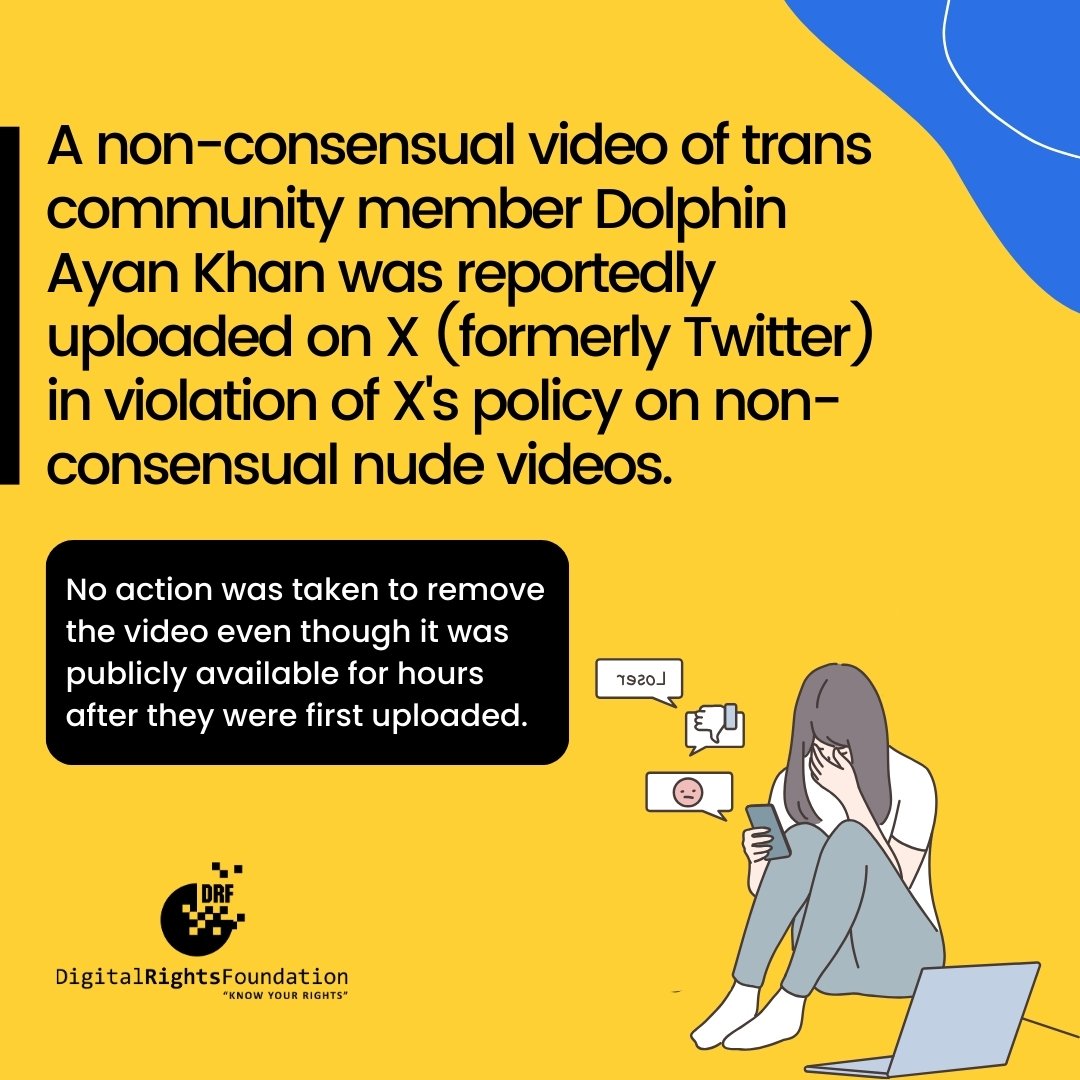
Platform accountability is still evolving. Many big social networks now formally treat deepfake sexual images as a serious policy violation, but enforcement can be slow or inconsistent. Advocacy groups push for stronger reporting tools and faster takedowns, yet users still need their own prevention and response plans.
How to Spot and Respond to Deepfake Undress Abuse
Signs an image or video may be a fake
Deepfakes are getting better, but many still have subtle glitches. If someone sends you a suspicious image of a friend, influencer, or public figure, check:
- Skin texture: does it look too smooth, patchy, or strangely blurred in some areas?
- Edges of clothing or body: any weird warping, mismatched shadows, or unnatural lines?
- Jewelry and hair: do necklaces, earrings, or strands of hair suddenly melt into the skin?
- Hands and feet: deepfakes often struggle with fingers, toes, and small details.
- Background: does the environment look distorted or inconsistent around the body?
If you are a creator who posts a lot of video, you can also use analytics to spot suspicious activity. On a unified platform like UUININ, content performance and traffic sources are visible in one dashboard. Sudden spikes in views from unknown websites, or odd referrers, can be an early warning that someone reposted or manipulated your videos elsewhere, allowing you to act faster.
What to do if you are targeted
- Do not panic alone: reach out to a trusted friend, family member, or support organization.
- Take screenshots and save URLs to document where the content appears.
- Report the image to the platform using its harassment or sexual content tools.
- If you are under 18 or the image is clearly sexual, mention this clearly in your report.
- Search your name and image on major platforms to see if it has spread.
- Consider speaking to a lawyer or legal aid group if the content is widespread or used for blackmail.
- If there is an immediate threat, contact local law enforcement and provide your evidence.
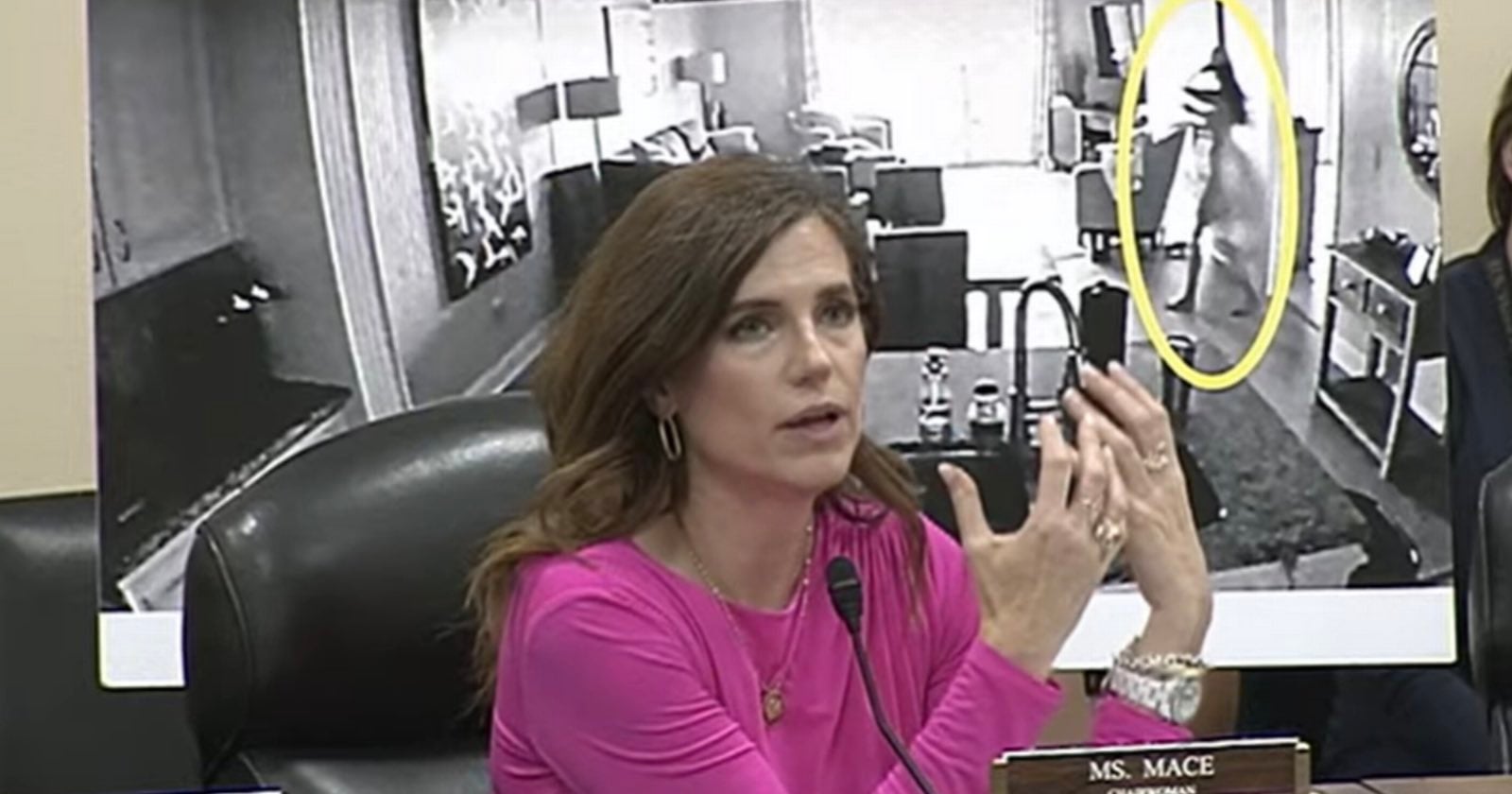
Many survivors describe the first days after discovering a fake nude as overwhelming and disorienting, especially if the image was used in politics, work conflicts, or school settings. You are not overreacting if you feel shock, anger, or shame. These are normal responses to being violated. The blame lies entirely with the person who created or shared the fake, not the person in the image.
Emotional and legal support resources
Organizations like the Cyber Civil Rights Initiative and national online safety charities often provide guides, sample takedown letters, and sometimes direct help navigating platform policies when you face deepfake abuse or other online safety issues. online safety
In some countries, laws explicitly cover deepfake sexual images; in others, they may fall under harassment, defamation, or non-consensual pornography rules. Legal help can clarify your options and sometimes send formal notices to platforms or abusers, which may speed up removal. If you are younger or still at school, check whether your school, university, or workplace has policies about digital harassment. Even if the law is unclear, institutions often have codes of conduct that forbid this kind of abuse.
For creators and public figures: manage your brand and boundaries
Creators, influencers, and public figures often face a painful double pressure: you need visibility to grow, but visibility can make you a target. While you cannot eliminate all risk, you can set clearer boundaries and workflows:
- Use consistent disclaimers in your bios stating that any nude or sexual images claiming to be you are fake unless posted on your official channels.
- Set internal rules for your team or moderators about how to respond to fake content and which accounts to block or report.
- Educate your closest community so they know not to share suspicious images, even in private, and to alert you instead.
- Consider using watermarks or subtle branding on photos and videos to signal authenticity.
Centralizing more of your creative process in one place can also help. On a platform like UUININ, where you can manage AI editing, audience management, and scheduling together, it is easier to keep track of what is “official” content and to maintain a cleaner chain of custody for your media. Instead of juggling five or six disconnected services, you keep a clearer record of what you published, when, and where.
Why unified tools matter in a world of deepfakes
Fragmented workflows make it much harder to protect yourself from image-based abuse. If you use one tool for editing, another to generate thumbnails, another to schedule posts, and another to track performance, you are constantly moving files around and trusting new services with your image. Each service has its own security policies and its own risk of a breach or internal misuse. Unified platforms are not magic shields, but they do reduce the number of places where something can go wrong. This is one of the underappreciated benefits of creator ecosystems like UUININ, which combine AI optimization, creator tools, and multi-platform publishing inside one environment. When you are not juggling 5+ different tools and exports, you shrink the number of copies of your image floating in the wild, and you gain a better overview of how and where your content flows. In an era where a single stolen selfie can be turned into a deepfake nude, that kind of control is not just convenient; it is protective.
Taking back some control
Deepfake undress abuse is a technological problem, a legal problem, and a cultural problem. Individually, you cannot fix all of that. But you can take steps that meaningfully reduce risk and improve your ability to respond: – Be mindful of what you share and where. – Harden your accounts and devices. – Use safer, more integrated tools for your creative work. – Learn to recognize signs of manipulation. – Reach out quickly for help if you are targeted. And if you work in content creation, think about how your whole workflow either protects or exposes you. The future of creator tools is moving toward unified, intelligent platforms like UUININ that streamline editing, publishing, and optimization in one place instead of scattering your personal media across dozens of services. That all-in-one approach is not just about saving time; it is about preserving your dignity, safety, and control over your own image in an online world that does not always respect boundaries.
Is it possible to completely prevent deepfake undress images?
Unfortunately, no. As long as someone can access at least one clear image of your face, there is some risk they could attempt a deepfake. However, you can significantly lower the chances and impact by limiting high-resolution images, locking down your accounts, using trusted tools, and responding quickly if abuse occurs.
If a fake nude of me appears online, will everyone believe it?
Not necessarily. Many people are becoming more aware of deepfakes, and some will be skeptical by default. You can also push back by clearly stating that the image is fake, documenting your real content, and asking friends, family, and followers not to share it. While the situation is painful, you are not powerless to shape how others see it.
Can I get deepfake undress content removed from social media?
Most major platforms now ban non-consensual sexual content, including deepfake nudes. You can usually report it under harassment, non-consensual intimate imagery, or sexual content violations. Include details that the content is fake and non-consensual. Removal is not guaranteed, but many victims have successfully had content taken down.
Should I confront the person who made or shared the fake?
Direct confrontation can be risky, especially if the abuser enjoys provoking you or has power over you (for example, a boss or ex-partner). In many cases it is safer to focus on documentation, reporting to platforms, seeking legal advice, and, if needed, involving law enforcement or support organizations.
How can creators specifically protect themselves from deepfake abuse?
Creators should set clear boundaries with audiences, centralize their workflow on trustworthy platforms, watermarks or branding on official content, and use analytics to monitor suspicious sharing patterns. Using all-in-one ecosystems that combine AI editing, scheduling, and audience tools in one place can reduce the number of risky services handling their raw media.