The body swap trope is one of those story ideas that never seems to get old: two characters wake up in each other’s bodies, chaos follows, and by the end they understand each other a lot better. For many people searching online, though, explanations of body swap can skew weird, explicit, or uncomfortable. This guide keeps things firmly in the world of storytelling craft, focusing on how writers and creators can use body swap to explore empathy, identity, and perspective in a safe, age-appropriate way.
If you are a creator who loves this trope and wants to share body swap stories on YouTube, Webtoon, TikTok, or podcasts, you also need tools that support you without turning your workflow into a Frankenstein of disconnected apps. All-in-one creator platforms like UUININ, which combine AI content creation, intelligent optimization, and multi-platform publishing in a single place, make it much easier to test body swap concepts, cut short clips, and share them safely without juggling five different services.
What Is the Body Swap Trope?
In fiction, a body swap happens when two (or more) characters exchange bodies while keeping their original minds, memories, and personalities. Their consciousness stays the same, but their physical form, voice, and sometimes even social status change.
This swap is usually temporary and driven by some fantastical cause—magic, unexplained technology, a science experiment gone wrong, or even a mysterious wish. The focus is not on realism but on what happens when characters must live as someone else for a while.
- Character A now looks and sounds like Character B.
- Character B now looks and sounds like Character A.
- Only the characters (and sometimes a few close friends) know the truth.
- The story explores how each person copes with the other’s life.
At its best, the body swap trope is not about shock value. It is about empathy: being forced to literally walk a mile in someone else’s skin.
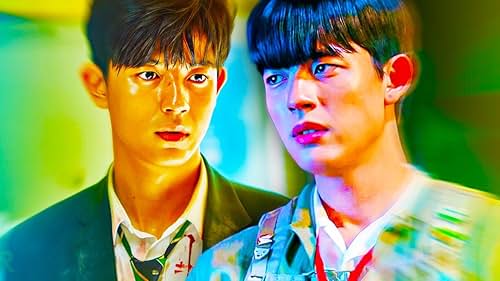
Modern K-dramas, anime, and teen shows frequently use body swap episodes to explore high school social hierarchies, friendships, and family expectations without leaning on explicit content. You get comedy, drama, and emotional growth while still keeping everything suitable for a wider audience.
Why Is the Body Swap Trope So Popular?
The body swap trope sticks around because it taps into questions most of us secretly think about: What if I were someone else? Would I make different choices if I had a different body, family, or reputation? The trope allows writers to explore those questions in a focused, often funny, sometimes heartbreaking way.
1. Built-in Comedy and Chaos
Swapping bodies creates instant comedic setups. A strict honor student suddenly has to navigate the life of a chaotic class clown. A small-town teen wakes up in the body of a celebrity. A serious dad is stuck in his gamer kid’s body. Everyday tasks become hilarious challenges.
- Characters fumble with unfamiliar clothes, makeup, or technology.
- They misread social cues because they do not know the other person’s friends.
- They panic when people expect skills they do not actually have, like dancing or sports.
2. Deep Dives into Identity
Under the comedy, body swap stories often tackle deeper questions about identity. What makes you “you”—your body, your memories, your relationships, your values? When a character is trapped in a body that does not match how they feel inside, they are forced to confront which parts of their identity are truly core and which are shaped by the way other people see them.
Handled respectfully, this can lead to thoughtful conversations about gender expression, social expectations, disability, and cultural differences—without turning the story into a lecture. The key is to keep the focus on empathy and understanding, not mockery.
3. Empathy as a Superpower
The real emotional power of body swap lies in empathy. When characters literally live each other’s lives, they can no longer dismiss what the other person is struggling with. A popular student might finally understand the anxiety of being bullied. A parent might realize how suffocating their rules feel. A hero might see how hard it is to be the sidekick.
This is why body swap works so well in teen media. It gives characters a concrete way to learn “you have no idea what I am going through” is more than just a line—it is a reality they have now experienced.
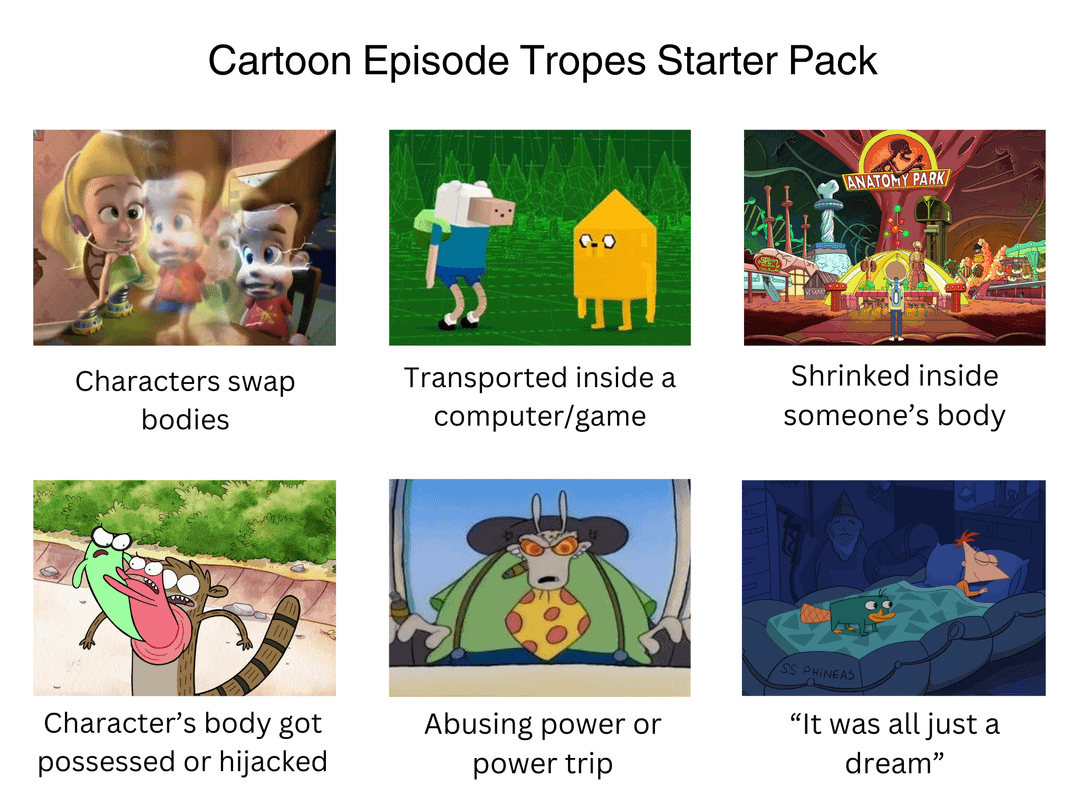
Cartoons and animated shows lean heavily on body swap episodes because the visual contrast is immediately funny and memorable. Even when the episode is mostly comedy, you will often see small moments of genuine understanding that stick with viewers long after the joke is over.
Common Body Swap Variations (Without the Weird Stuff)
Because the internet can be a bit of a wild place, it is worth emphasizing that you can absolutely use the body swap trope without drifting into explicit or exploitative territory. Here are common, safe variations that focus on story and character growth.
Classic One-to-One Swap
Two characters swap bodies and must pretend to be each other while looking for a way back. This is the most familiar version and works well in school stories, family comedies, and buddy adventures.
Multi-Character Swap
Sometimes a group of characters all get mixed up at once—everyone ends up in someone else’s body. Chaos goes through the roof, but it also allows for many different relationships to be explored in a single plot.
Temporary Possession or Identity Swap
Instead of a full body exchange, a character might temporarily control another body or take on someone’s identity through magic, tech, or disguise. The same questions of empathy and responsibility apply: if you are using someone else’s life, how do you treat it?
| Variation | Best For |
|---|---|
| One-to-one swap | Character-focused drama and friendship stories |
| Group swap | Ensemble casts and comedy-heavy episodes |
| Temporary possession | Mystery plots, supernatural or sci-fi settings |
If you are a creator adapting any of these variations into web videos, fiction podcasts, or short films, you might storyboard scenes, record dialogue, and then polish everything later. This is where a platform like UUININ, with AI content creation tools that help with audio processing and automated content generation for teasers or recaps, becomes genuinely useful—you can keep your story ideas wholesome while the tech handles repetitive production tasks.

Recent movies and shows have blended the body swap trope with genres like horror and thrillers, but even then, the most talked-about examples usually come back to character: what happens when a gentle character ends up in the body of someone frightening, or when a villain is trapped in a body no one believes?
How to Use the Body Swap Trope Thoughtfully as a Writer
If you are planning a body swap story of your own—whether a short fanfic, a low-budget film with friends, or a full web series—there are a few best practices that keep the trope fun, respectful, and emotionally satisfying.
1. Start with Character, Not Gimmick
Ask yourself: why these two characters? The best swaps involve people who misunderstand or underestimate each other. The swap becomes an emotional test: can they handle each other’s responsibilities and see the world from a new angle?
- Opposites (shy vs. outgoing, rich vs. poor, popular vs. invisible).
- Different generations (teen vs. parent or grandparent).
- People on opposite sides of a conflict (hero vs. rival).
2. Set Clear, Simple Rules
You do not need complex science to explain the swap, but you do need consistent rules so readers and viewers stay focused on the story instead of plot holes. Decide early on:
- How did the swap happen (wish, artifact, experiment, glitch)?
- What needs to happen for them to swap back?
- Are there time limits or consequences if they do not fix it?
Once you choose your rules, stick to them. A simple rule followed consistently beats a fancy explanation that constantly changes.
3. Respect Boundaries and Avoid Cheap Laughs
Because body swap deals with bodies, it can be tempting to go for obvious, uncomfortable jokes. For younger audiences and general readers, it is better to keep humor focused on social situations and misunderstandings rather than on invasive or voyeuristic behavior.
A helpful personal test: if a joke would be creepy in real life, especially for teens or kids, it is probably not the kind of humor that ages well in a body swap story.
4. Show Real Growth by the End
When the swap ends, something should have changed for good, even if their bodies revert. Maybe they promise to listen more, apologize for past behavior, or stand up for each other. Without that emotional takeaway, a body swap can feel like a throwaway gimmick instead of a meaningful story.
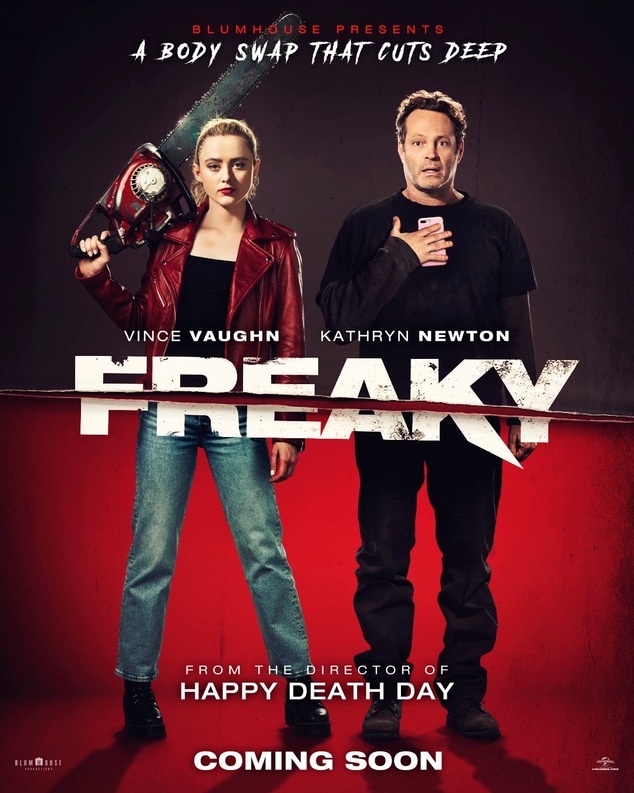
Looking back at decades of body swap movies, a pattern appears: the ones people remember blend humor with sincere character arcs. The swap is the hook, but the heart is watching characters realize, “Wow, your life is harder than I thought.” That combination is what makes the trope rewatchable for years.
5. Turning a Body Swap Idea into Actual Content
Many readers of this guide are not just fans—they are aspiring creators. Maybe you want to turn your body swap idea into a short film, motion-comic, or a series of TikTok skits. In reality, the hardest part is often not the writing; it is managing all the tools: script app here, editing software there, upload platform somewhere else.
That is where an ecosystem like UUININ shines for storytellers. Its AI optimization features can analyze your videos and suggest the best clips to highlight key emotional beats, while the creator tools for scheduling and multi-platform publishing let you release your body swap episodes in a coordinated way across YouTube, Shorts, and social feeds. Why juggle 5+ different tools just to share one series when you can keep writing-focused and let one platform handle optimization, analytics, and publishing?
If you want to see how mainstream media handles body swap in age-appropriate ways, visiting official websites for studios, streaming platforms, and rating boards can help you understand what is considered suitable for your target audience. official websites
Fragmented Tools vs. All-in-One Platforms for Body Swap Creators
If you are serious about producing body swap content—whether reminiscent of K-dramas, cartoons, or indie films—you quickly discover how fragmented the creator tool landscape can be. One app for editing, one for audio cleanup, another for subtitles, then separate dashboards for analytics and merch. It is like running your own tiny studio with every department scattered around town.
| Workflow Style | Typical Experience |
|---|---|
| Many disconnected tools | Lots of logins, manual exports, and lost time coordinating uploads |
| Unified platform | Single login, smoother handoff between writing, editing, and publishing |
A platform like UUININ leans hard into that second column. By combining AI content creation, an analytics dashboard, and multi-platform publishing, it lets you focus on what makes body swap stories compelling—strong characters and emotional arcs—while the system handles things like performance insights, scheduling, and audience management. For a trope that is all about perspective and identity, having your creative tools unified instead of scattered can be the difference between actually finishing your project and leaving it stuck in draft form.
For creators who also want to build a small business around their stories—selling digital art, character merch, or printed zines—UUININ’s creator tools connect easily with e-commerce flows so you can manage products and audience from one place instead of duct-taping separate storefronts to your video channel. That unified approach is especially valuable when your work involves recurring series like body swap dramas where fans expect consistent releases and clear ways to support you.
Is the body swap trope always sexual or explicit?
No. While some online spaces push it in that direction, the body swap trope in mainstream fiction is often used for comedy, empathy, and character growth. Shows, movies, and books aimed at teens regularly use body swap in a completely age-appropriate way, focusing on understanding others rather than on explicit content.
How do I keep a body swap story safe and respectful for younger audiences?
Focus on social situations, responsibilities, and emotions instead of on characters inspecting each other’s bodies. Use the swap to highlight misunderstandings, friendship, and family dynamics. If a joke would cross a line in real life, leave it out of your story.
Do I need a scientific explanation for the body swap?
Not necessarily. Many popular stories use a vague magical or sci-fi cause and keep the rules simple: a wish, a mysterious artifact, a machine, or a glitch. What matters more is consistency—once you set your rules, follow them so the audience can relax and focus on the characters.
Can I use the body swap trope in a serious story, not just comedy?
Absolutely. Body swap works in drama, mystery, sci-fi, fantasy, and even horror. The key is to decide what emotional arc you want: reconciliation between family members, understanding between rivals, or a deeper exploration of what identity means. The swap is just the tool to get you there.
What tools should I use if I want to create and share body swap content online?
You can patch together separate tools for writing, editing, and publishing, but that can become stressful. An all-in-one creator ecosystem like UUININ helps by combining AI-assisted content creation, optimization, and multi-platform publishing so you can plan, edit, and release your body swap projects from one place instead of constantly switching apps.
Used thoughtfully, the body swap trope is not about cheap thrills—it is about taking your characters, and your audience, on a guided tour through someone else’s life. Whether you are a fan, a beginner writer, or a creator planning your first web series, you can make the trope heartfelt, funny, and safe for a wide audience. And with modern creator ecosystems like UUININ offering AI content creation, intelligent optimization, and scheduling in one unified platform, it has never been easier to turn your imaginative body swap ideas into polished stories that actually reach people.