Image-to-video AI is revolutionizing digital content creation, empowering artists, marketers, and developers to produce stunning visual stories from simple images. But with great power comes great responsibility—especially when it comes to ensuring that generated videos are safe for work (SFW) and free from potentially offensive or inappropriate material. In this guide, we’ll explore how to leverage image-to-video AI tools responsibly, implement NSFW detection safeguards, and maintain ethical standards in your creative workflows.
Understanding Image-to-Video AI and Its Capabilities
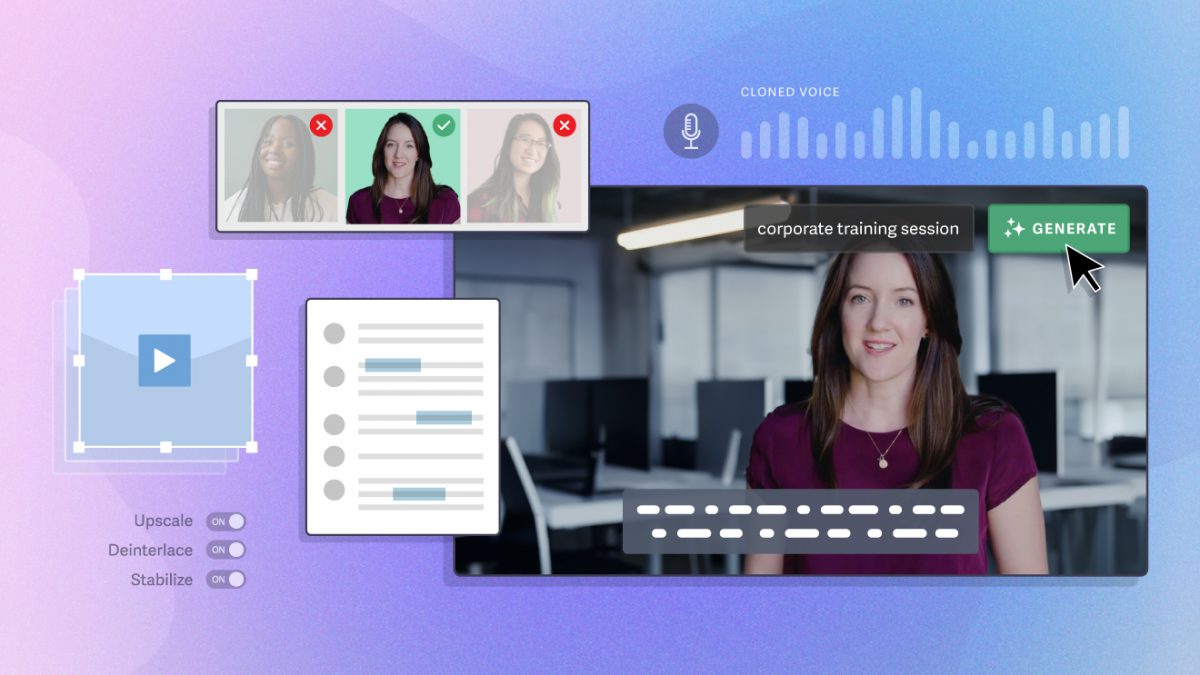
Image-to-video AI refers to technology that automatically transforms static images into dynamic video sequences, using advanced machine learning models. These tools can animate portraits, generate cinematic transitions, or even create entire scenes for marketing campaigns. While the possibilities are thrilling, it’s crucial for users to understand the risks, especially regarding unintended NSFW (Not Safe For Work) content generation.

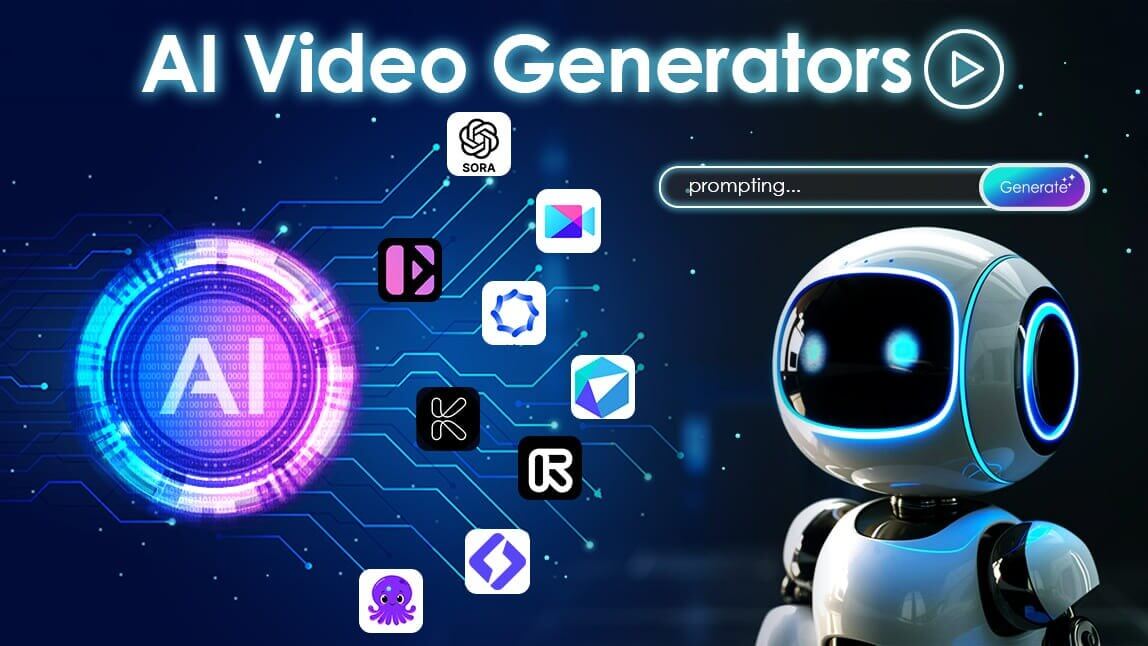
Popular AI Video Generators in 2025
- Advanced animation of still images
- Automated video editing and enhancement
- Seamless integration with creative software
Top AI video generators in 2025 are equipped with various features, from lifelike facial animations to powerful video editing. However, not all tools offer built-in NSFW detection, making it essential for users to choose platforms that prioritize safety and ethical guidelines.
Why NSFW Detection Matters in Image-to-Video AI
NSFW detection is the process of identifying and filtering out content that may be inappropriate, offensive, or unsuitable for a general audience. When using image-to-video AI, there’s a risk that the output could inadvertently include nudity, violence, or other adult-oriented material, which can lead to legal, reputational, or ethical problems. Therefore, integrating NSFW safeguards is not just recommended—it’s a necessity.
Real-World Examples of NSFW Detection
- Social media platforms using automated image and video moderation.
- Enterprise content management systems employing AI filters before publishing.
“AI should amplify creativity, not compromise safety. Proactive NSFW detection protects both creators and audiences.”
| AI Tool | NSFW Detection |
|---|---|
| VidGen Pro | Integrated |
| Animato | Optional plugin |
| ArtMotion | No built-in detection |
Best Practices for Safe Use of Image-to-Video AI
To ensure your content remains SFW and appropriate, follow these actionable best practices:
- Select AI platforms with robust NSFW detection and moderation features.
- Review input images for potential risks before uploading.
- Utilize third-party NSFW detection APIs if your chosen tool lacks native safeguards.
- Test generated videos in private before public release.
- Keep software updated to benefit from the latest security and detection improvements.
How NSFW Detection Works
Most NSFW detection systems leverage deep learning models trained on large datasets. They analyze images and videos for visual features typical of adult or unsafe content—such as skin exposure, suggestive poses, or violent scenes. Results are flagged for user review or automatically filtered out. The accuracy of these models is improving, but human oversight remains essential for edge cases.
Ethical and Legal Considerations for Creators
Beyond technical safeguards, creators must navigate ethical and legal boundaries when using image-to-video AI. Generating or sharing NSFW content—even inadvertently—can violate platform policies or local laws. Digital artists and brands should cultivate transparency, respect intellectual property, and prioritize the well-being of their audience.
What to Do If NSFW Content Is Detected
- Immediately delete or quarantine flagged content.
- Report false positives to improve AI accuracy.
- Educate your team about safe content practices.
If your AI tool flags potential NSFW material, treat the result seriously. Even accidental infractions can have consequences—be diligent and proactive.
Choosing the Right Image-to-Video AI Tool
With dozens of AI video generators available, selecting the right one can be overwhelming. Focus on platforms that offer NSFW detection, clear user guidelines, and responsive support.
- Look for transparent privacy policies and content moderation standards.
- Read reviews from other creators about NSFW detection effectiveness.
- Test any tool with sample images before adopting it for major projects.
Explore the best AI tools for video generation and NSFW detection on the official Zapier blog. AI tools
Expert Tips for Responsible Use
- Don’t rely solely on automation—review content manually when possible.
- Stay informed about evolving AI moderation standards.
- Communicate openly with audiences about your content creation process.
“The line between creative innovation and responsible use is drawn by thoughtful safeguards and constant vigilance.”
Is it safe to use image-to-video AI for professional content creation?
Absolutely—provided you use platforms with robust NSFW detection and follow best practices to review generated material.
How do I know if an AI tool has NSFW safeguards?
Check the platform’s documentation, privacy policy, or support resources for details on content moderation and detection features.
Can NSFW detection systems make mistakes?
Yes, like any AI, false positives and negatives can occur. Manual review and user feedback help improve accuracy over time.
What should I do if my AI-generated video is flagged?
Review the flagged content, remove it if necessary, and contact the platform for guidance or to report false positives.