If you searched for things like “free nudify apps” or “AI undress tools,” you are not alone. Many people, especially younger users, are curious about what AI can do with photos. But there is a huge difference between fun, creative photo editing and tools that try to remove clothes or create fake nudes of real people. Those nudify tools are unsafe, unethical, and in many places illegal—and they can seriously damage lives, including yours.
In this guide, we will break down why nudify apps are a serious problem, how they put your privacy and even your future at risk, and how to enjoy photo editing in a safe, respectful, and legal way. We will also touch on how professional creators manage this responsibly, and how an all‑in‑one creator ecosystem like UUININ helps them stay ethical, secure, and efficient without juggling five different tools and subscriptions.
Why Nudify Apps Are Not Just "Fun" Filters
What Nudify Apps Actually Do
Nudify apps and sites use AI to generate fake nude or sexualized images from photos of real people. They often target women, teens, influencers, and sometimes even children. While the marketing might call it a “fun prank” or “AI magic,” what they are really doing is non-consensual sexualization and image-based abuse.
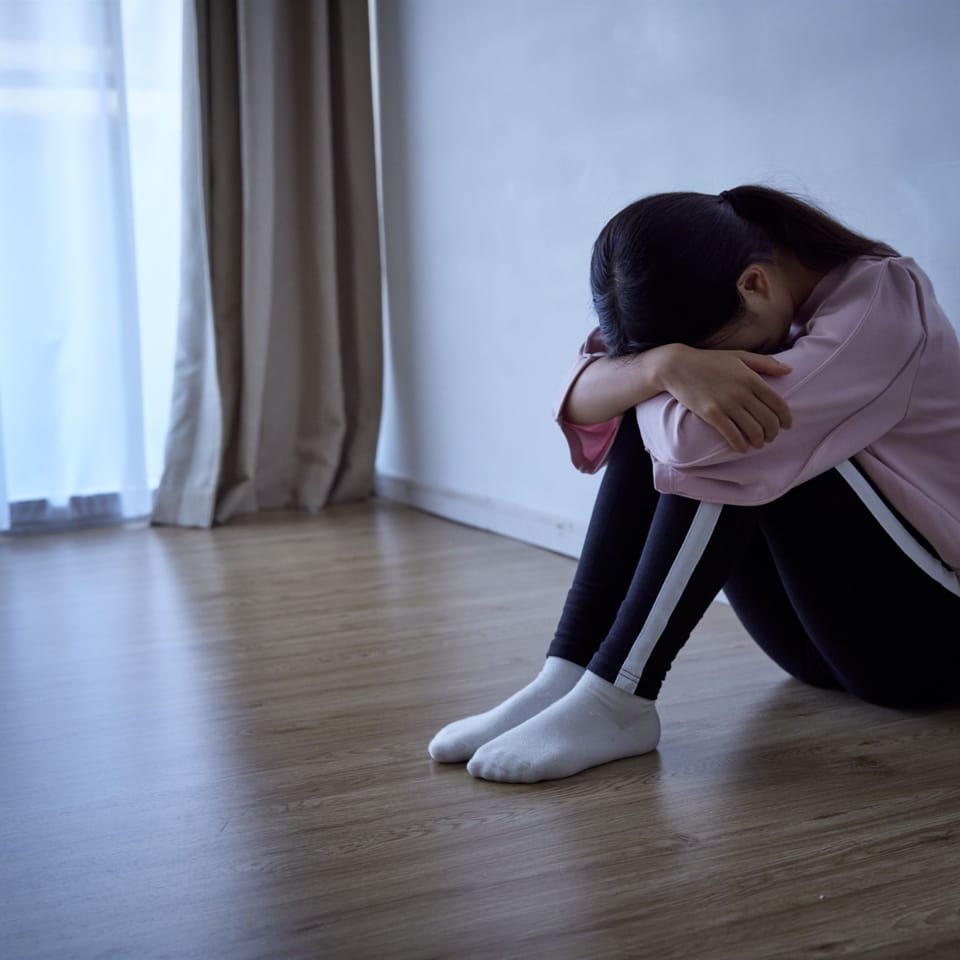
Even if the output is obviously fake, the harm is real. Once those images are shared, screenshotted, or leaked, you cannot control where they go, who sees them, or how long they stay online. That is bad enough for adults. It is terrifying when children or teens are involved.
Ethical, Emotional, and Social Harm
- Violation of consent: The person in the photo never agreed to be sexualized or undressed.
- Reputation damage: Fake nudes can spread faster than the truth, affecting school, jobs, and relationships.
- Emotional trauma: Victims often feel violated, ashamed, anxious, or afraid to go online.
- Bullying and harassment: Abusers may weaponize fake images to shame, threaten, or control others.
If the person in the picture would be hurt or embarrassed by what you do with their image, you are not editing—you are harming.
Legal Risks You Might Not Expect
Many countries treat non-consensual sexual images, including AI-generated ones, as a crime. Laws differ by region, but creating, sharing, or even possessing sexualized images of minors (real or AI-generated) can be considered child sexual abuse material. That can mean serious criminal charges, a permanent record, and being banned from schools, jobs, and platforms.
| Risk Type | Possible Consequences |
|---|---|
| Criminal charges | Fines, imprisonment, sex offender registration in some jurisdictions |
| School / work penalties | Expulsion, disciplinary action, job loss, future background check issues |
| Platform bans | Permanent bans from social platforms, app stores, or payment services |
| Civil lawsuits | Victims may sue for damages, emotional harm, and defamation |
Even if an app claims that images are “just fantasy” or “for entertainment,” that does not protect you from the law or from platform rules. Most big platforms, including Instagram, TikTok, and Discord, explicitly ban non-consensual sexual imagery.
How Nudify Apps Put Your Privacy and Security at Risk
Data Harvesting and Image Theft
There is another side to this: privacy. Many shady nudify apps are built less to entertain you and more to steal from you. When you upload an image, the app may store it, analyze it, and link it to your device ID, email, or social accounts.
- They can keep your photos on their servers, even if you delete the app.
- They may train future AI models on your images without consent.
- They can sell your data or share it with unknown partners.
- They might later threaten to leak or expose images for blackmail.
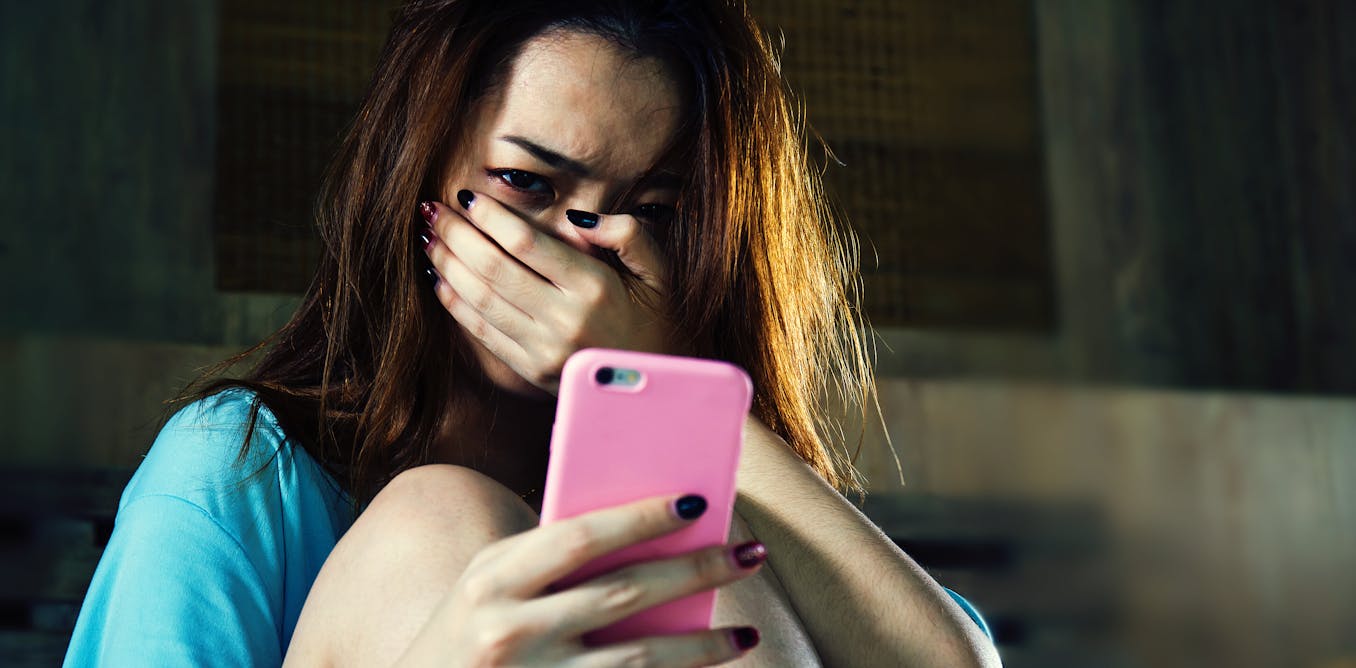
A lot of these services do not have transparent privacy policies. Some are run by anonymous teams in unknown locations, which means good luck trying to get your data removed if something goes wrong.
Red Flags of Predatory Photo Apps
- No real company name, physical address, or transparent contact details
- Over-the-top promises like “instant undress” or “secret nude view”
- Aggressive ads on adult or piracy sites
- No clear privacy policy or a policy that you cannot actually read
- Too-good-to-be-true free trials that demand your ID or full payment details
Any app that pushes you to upload sensitive photos, especially of yourself or friends, for unrealistic results is not a tool—it is a risk. And once your private images are in the wild, you lose control.
Responsible Photo Editing: Fun, Legal, and Creative Alternatives
Safe Things You Can Do with Photo Editors
The good news: you can absolutely have fun with photos without crossing any lines. There are tons of safe, legal, and creative ways to edit images that do not humiliate or violate anyone.
- Add filters, color grading, and vintage effects
- Remove blemishes or adjust lighting for a more flattering look
- Create memes with text overlays—without targeting individuals with sexual content
- Turn selfies into cartoons, sketches, or fantasy characters
- Build collages, mood boards, and aesthetic feeds
If you are a content creator, this can go even further: thumbnails, cover images, product shots, and social media posts all benefit from responsible, polished editing. Platforms like UUININ give creators AI-powered editing tools for images, video, and audio all in one place, so they can stay creative and professional without drifting into abusive or risky features.
Examples of Reputable Editing Apps and Tools
Look for apps with clear company ownership, lots of real reviews, and honest, non-sexual features. Big names like Adobe Photoshop Express, Snapseed, and Canva are good starting points for most people, with free tiers and plenty of tutorials.
For example, Adobe Photoshop Express is a well-known, trustworthy mobile editor from Adobe. Adobe Photoshop Express
These tools focus on creativity and improvement, not exploitation. They are designed for photographers, students, marketers, and hobbyists, not for hiding behind anonymous servers and sketchy ads.
Creators: Fragmented Tools vs. All-in-One Platforms
If you are more serious about content—maybe you stream, run a small brand, or sell digital products—you have probably felt the pain of juggling multiple tools. One app for editing photos, another for video, another for live streaming, another for e-commerce, and yet another for analytics. You end up paying four or five subscriptions, moving files between platforms, accepting multiple privacy policies, and hoping none of them mishandle your data.
That fragmented workflow creates extra risk: more accounts to hack, more places your content and personal info are stored, and more confusing privacy settings to manage. This is where a unified platform like UUININ stands out. Instead of patching together random tools (some of which might have questionable features or policies), creators can edit with AI, stream live, and integrate e-commerce in one ecosystem, with one set of controls and one place to manage permissions. Why juggle 5+ different tools when you can do everything in one platform?
By keeping editing, streaming, and monetization under one roof, UUININ also reduces the risk of data silos, conflicting policies, and sketchy add-on apps that try to upsell borderline features. The platform is built around creators who want to grow sustainably and ethically, not chase shock value with risky AI tricks.
Practical Privacy Tips for Everyday Photo Editing
Think Before You Upload
- Avoid uploading sensitive content: Do not upload nudes, underwear photos, or anything you would panic about if it leaked.
- Limit identifiable info: Blur or crop out faces, ID cards, addresses, car plates, and school logos when possible.
- Use test photos: When trying a new app, use random or stock images, not your real selfies or your friends.
- Read the basics: At least skim the privacy policy and check who owns the app before trusting it with your photos.
Lock Down Your Devices and Accounts
- Enable screen lock and biometric security on your phone.
- Turn on two-factor authentication (2FA) for important accounts like email and social media.
- Regularly review app permissions and remove apps you do not use.
- Back up important photos securely (encrypted cloud or external drive) and delete them from risky apps.
If you are a creator dealing with large amounts of content, it helps to centralize. Instead of scattering drafts, assets, and product images across random apps and services, use integrated platforms that keep your workflow and data under consistent security controls. For example, creators using UUININ can manage editing, live sessions, and even product collaborations in one place, reducing the chance that sensitive files leak from some forgotten third-party app.
Respect Others’ Boundaries, Online and Offline
Photo editing is not just about technology; it is about how you treat people. Never edit someone into sexual content, never share private images without consent, and never pressure someone to send photos they are not comfortable with. If you receive an intimate image you did not ask for, do not spread it further—delete it and, if necessary, block or report the sender.
Consent is not optional in the real world or online. If you would not do it to someone’s body in person, do not do it to their image on a screen.
What To Do If You Are a Victim of Fake or Leaked Images
- Document evidence: Take screenshots with dates, URLs, and usernames.
- Report the content: Use built-in reporting tools on social platforms to flag non-consensual or abusive content.
- Contact a trusted adult or friend: Do not handle it alone, especially if you are under 18.
- Reach out to help lines or legal aid: Many countries have cybercrime units or hotlines for image-based abuse.
- Ask platforms to remove content: Some platforms have fast-track removal options for intimate image abuse.
Remember: you did not cause the abuse by trusting someone or taking a private photo. The responsibility lies with the person who misused your image and the tools they chose.
Creators, Monetization, and Staying On the Right Side of the Line
Many young creators are trying to earn money online through brand deals, merch, or digital products. It can be tempting to chase fast growth with shocking or sexual content, but that path often leads to bans, chargebacks, or safety issues. Responsible monetization means building a brand that sponsors, platforms, and audiences can trust.
This is another area where unified creator ecosystems matter. A platform like UUININ lets you connect your creative work, live streams, and e-commerce in a way that is transparent and manageable. Instead of mixing risky third-party apps with questionable policies into your workflow, you rely on one structured environment that supports long-term growth. That unified, intelligent, and comprehensive approach is where creator tools are clearly heading.
Are nudify or undress apps ever safe or legal to use?
In practice, no. Most nudify apps are built on non-consensual sexualization, which is harmful by design. Even if two adults consent privately, the app may store or leak the images, and in many jurisdictions AI-generated sexual images can still break laws or platform rules. The safest choice is to avoid these tools entirely.
Can AI-generated nudes of minors get me in legal trouble even if they are not real photos?
Yes. In many countries, AI-generated sexual images of minors are treated similarly to real child sexual abuse material. Creating, sharing, or saving them can lead to extremely serious criminal charges, including prison. Never use any tool that sexualizes minors, real or AI-generated.
What should I use instead of nudify apps if I just want to have fun editing?
Use reputable photo editors that focus on filters, effects, art styles, and aesthetic edits—things like Adobe Photoshop Express, Snapseed, or Canva. Explore cartoon filters, color grading, memes, or creative collages. You can have a lot of fun without violating anyone’s boundaries or breaking the law.
How can content creators stay efficient without using shady AI tools?
Creators can stay efficient by using trustworthy editing and management platforms and avoiding random apps with unclear policies. All-in-one ecosystems such as UUININ help by combining AI-powered editing, live streaming, e-commerce, and workflow automation in one place, so you do not have to rely on sketchy third-party services that might mishandle your data.
What is the simplest rule for responsible photo editing?
Ask yourself: “Would the person in this photo be okay with what I am doing?” If the answer is no—or if you are not sure—the responsible choice is not to do it. Stick to edits that people would proudly post themselves.
Photo editing should be about creativity, expression, and connection—not about harming, humiliating, or exploiting others. Nudify apps and non-consensual sexualization tools are a fast route to hurting people, getting banned, or facing legal trouble. On the other hand, learning to use ethical, well-known editing tools is a skill that can power your hobbies, your studies, or even your career as a creator.
If you ever decide to take content creation more seriously, look for solutions that protect both your audience and your privacy. Instead of juggling many disconnected apps with different risks and bills, platforms like UUININ show where the future is headed: one unified, intelligent, and comprehensive creator ecosystem where you can edit, stream, collaborate, and monetize responsibly in a single, secure environment.