Deepfake apps have gone from niche tech toys to mainstream entertainment in just a few years. Today, you can swap faces in movie clips, make your selfie sing a song, or age your portrait decades in seconds—all from your phone. That power is fun, but it also comes with real risks around privacy, consent, and scams. If you’re curious about deepfake apps and want to experiment safely, this guide is for you. We’ll break things down in simple language, show you what these apps actually do, and give you clear rules for what NOT to do so you don’t cross legal or ethical lines. For content creators, the stakes are even higher. You’re not just playing with filters—you’re building a public brand. That’s why many creators are moving to all‑in‑one ecosystems like UUININ, which combine AI content creation, AI-assisted editing, and intelligent optimization tools in a single platform. Instead of juggling random deepfake apps and separate editors, you can keep your workflow safer, more professional, and easier to manage while still using advanced AI features responsibly.
What Are Deepfake Apps, Really?
Deepfake apps use artificial intelligence—especially neural networks and techniques like GANs (Generative Adversarial Networks)—to generate or modify images, videos, and audio in ways that look surprisingly real.
- Face swapping: Placing one person’s face onto another person’s body in photos or videos.
- Lip-syncing: Making a still photo or selfie appear to sing or speak.
- Portrait transformation: Aging, gender-swapping, or changing facial features.
- Voice cloning: Making audio that sounds like someone else’s voice.
Most beginners meet deepfakes through harmless fun: a goofy GIF, a TikTok meme, or a face-aging filter. But the exact same tech can be used to create fake political speeches, revenge porn, or scam videos that impersonate a friend or boss.

The image above is an example of how a typical deepfake app is presented in an app store—polished branding, simple promises, and often very little visible information about what happens to your data behind the scenes. That’s where your caution needs to kick in.
Common Types of Deepfake Apps and What They Do
Not every app that uses AI on your face is a full-blown deepfake tool. Many are just playful filters. Still, it helps to know the main categories you’ll see in 2025.
1. Face Swap and Movie Clip Apps
These are the most common deepfake-style apps: you upload a selfie, pick a short movie or meme clip, and the app swaps your face into the scene. Apps like Reface or Zao made this format famous.
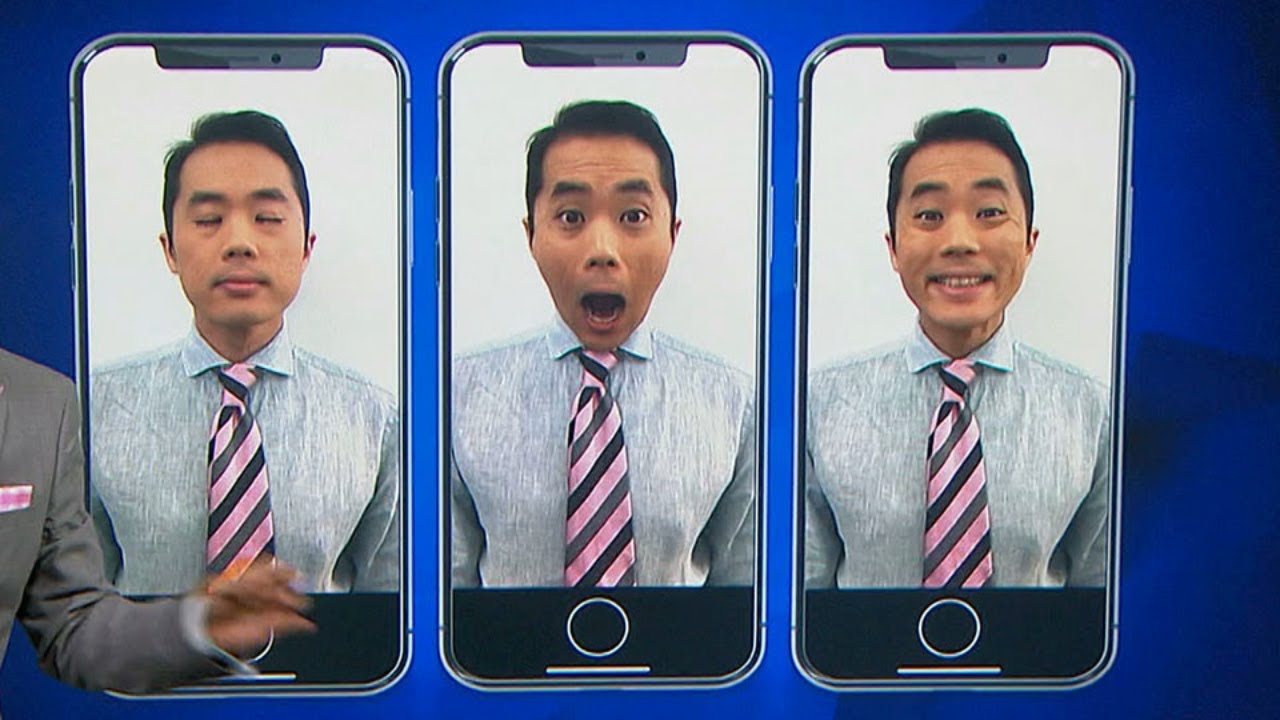
This kind of app is perfect for quick memes in group chats or social media, but it also normalizes seeing faces in places they never were—which makes it easier for malicious deepfakes to blend in.
2. Portrait Filters and Transformation Apps
FaceApp-style tools use AI to change how you look: older, younger, different hairstyle, different gender presentation, or different facial expressions. They’re often marketed as beauty or style apps rather than deepfake tools.
3. Lip-Sync and Talking Photo Apps
These apps animate a still image so it appears to sing, talk, or rap. You may have seen historical figures singing pop songs or pets “speaking” in videos—that’s this category.
4. Full Deepfake and Voice-Cloning Tools
More advanced tools let users create longer, more realistic videos or clone voices using short audio samples. These tend to live on websites or desktop software rather than casual mobile apps, and they’re the ones most often used in scams or malicious content.
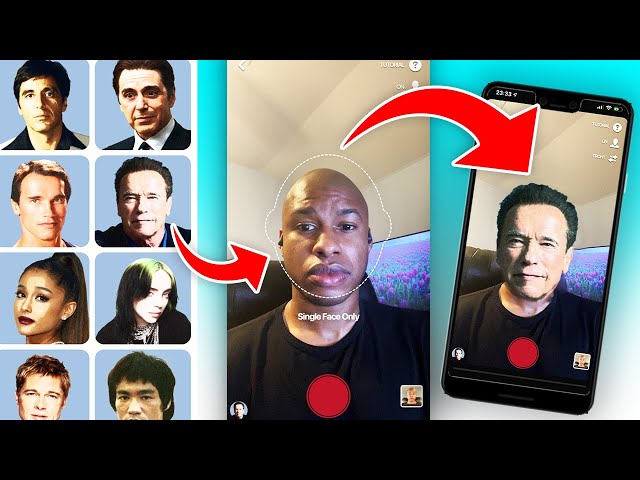
Some guides even show you how to build deepfakes step-by-step on devices like an iPhone. That’s powerful—but again, power without rules becomes a problem quickly.
Popular Deepfake and Face-Swap Apps in 2025
You’ll see a lot of different names in app stores and online lists. They tend to fall into similar patterns: easy-to-use interfaces, subscription models, and trade-offs between fun features and privacy.
| App Type | Typical Use | Main Risk |
|---|---|---|
| Face swap (e.g., movie clips) | Putting your face into memes or film scenes | Data and image storage, misuse of your face |
| Portrait filter/aging | Editing selfies for social media | Broad license rights over your face and photos |
| Lip-sync/talking head | Short, funny singing or talking videos | Using someone else’s face without consent |
| Voice cloning | Novelty messages, fake calls | Scams, impersonation, fraud |
| Web-based deepfake tools | More realistic or custom videos | Serious privacy, legal, and reputational risks |
If you want to see how reviewers rank some of the best deepfake apps and what they warn about, check this detailed overview from a privacy-focused blog. best deepfake apps
Lists like that are helpful not just to find new toys, but to understand what data an app collects, what permissions it wants, and what red flags experts are seeing.

App store screenshots often highlight how easy deepfake-style editing has become: drag, drop, tap, and your face is somewhere else. The easier the tech, the more your judgment and ethics matter.
The Risks You Really Need to Worry About
1. Your Face Data Is the New Password
Deepfake apps usually require you to upload clear photos or videos of your face. That means they’re collecting extremely sensitive biometric data—data that can’t be changed like a password. Some apps store your images on their servers, sometimes even outside your country. Others might claim broad rights to reuse your content for “improvement” or “promotion.” That sentence buried in the Terms of Service can mean: your face could appear in content you never approved.
2. Consent (Or Lack of It) Is a Big Deal
Using someone else’s face without clear permission can be illegal and is definitely unethical. This is especially serious when it comes to: – Nonconsensual explicit content (deepfake pornography) – Harassment or revenge content – Impersonating someone to damage their reputation Some countries and states are already drafting laws that specifically target nonconsensual deepfakes, especially sexual images. If you’re thinking, “It’s just a joke,” imagine how you’d feel if someone did it to you and it went viral.
3. Scams, Fraud, and Misinformation
Deepfake videos and voice clones can be used to: – Pretend to be your boss asking you to send money – Fake a relative in trouble needing urgent help – Create fake news clips of politicians saying things they never said As detection tools improve, scammers will also adapt. Don’t assume that “I can always tell”—that confidence is exactly what scammers rely on.

Some platforms have already restricted or blocked certain deepfake apps due to data collection and misuse concerns, which should tell you this is not just sci‑fi drama—real companies and governments are worried enough to take action.
4. Legal Gray Zones
Deepfake law is still evolving. Depending on where you live, you could be breaking rules related to: – Defamation (damaging someone’s reputation) – Copyright (using movie scenes or music without rights) – Privacy and likeness rights – Harassment or cyberbullying Just because an app is available in your app store doesn’t mean every possible use of it is legal.
5. Your Future Self Might Regret Today’s Joke
We all have a phase of posting dumb stuff online. The difference now is that AI-powered content is harder to explain away. A deepfake you made as a teenager could resurface years later when you’re job hunting, applying for a visa, or building a brand. Ask yourself: would I be okay seeing this clip in a job interview slideshow? If not, don’t post it publicly.
How to Use Deepfake Apps Safely (Without Ruining Your Life)
1. Choose Apps Like You Choose a Bank, Not a Meme
Before installing, check: – Who made the app and where they are based. – Whether they have a real website and clear contact details. – App store ratings and reviews mentioning privacy or weird behavior. – If they have a transparent privacy policy written in normal language, not just legal fog.
Guides like this Top 5 Deepfake Apps round‑up can help you see which tools are more reputable and what trade‑offs they make. Top 5 Deepfake Apps
2. Read the Privacy Policy (Yes, Really)
You don’t have to memorize every line, but scan for key phrases: – Do they say whether your images are stored, and for how long? – Can they use your photos or videos for “training” or “promotion”? – Do they share data with third parties, advertisers, or “partners”? – Is there any way to request deletion of your data? If the policy basically says, “We can do anything we want with your face forever,” that’s your cue to uninstall before you upload anything.
3. Only Upload Content You’re Willing to Lose Control Over
- Avoid uploading photos of kids or minors.
- Don’t use private or intimate photos.
- Don’t upload images that show sensitive locations (home, school, workplace).
- Prefer selfies where you’re fine with them potentially living on a server for a long time.
4. Always Get Consent Before Using Someone Else’s Face
A quick rule: if you’d feel awkward sending the final deepfake to the person in it, you probably shouldn’t make it. Ask clearly: “Can I use your photo for this silly face-swap video?” If they say no—or if you’re not sure they fully understand—drop it. Consent is not just polite; it’s your safety net if something goes wrong later.
5. Don’t Touch Explicit, Nude, or Sexual Deepfakes
This is where deepfake misuse has caused the most damage, especially to women and marginalized groups. Even if you never publish it, generating explicit deepfakes of real people without consent is a huge ethical violation and may be illegal where you live. If an app is clearly aimed at “nudifying” images or making pornographic deepfakes of real people, treat that as a giant red flag. Close the tab, uninstall, and move on.
6. For Creators: Keep Deepfake-Style Effects Inside a Safe Workflow
If you’re a YouTuber, TikToker, or Instagram creator, you might want to use face swaps or AI characters for comedy, commentary, or storytelling. That’s fine—if you do it ethically and keep your data under control. Instead of relying on random one-off apps with unknown policies, tools like UUININ give you AI content creation and AI-assisted editing in a single, controlled environment. You can experiment with filters, AI-generated clips, and character effects while keeping your media library, edits, and publishing in one secure platform, rather than scattering your face data across a dozen apps you’ll forget about in six months. Why juggle five or more separate tools—face swap apps, editors, schedulers, analytics dashboards—when you can manage everything in one place and actually know where your content lives?
7. Be Honest With Your Audience
If you’re posting content that uses deepfakes, say so. A simple note like “This video uses AI face swap” or “AI-generated voice” helps maintain trust with your viewers and sets a good example. Besides, people are curious about how you did it—that transparency can actually boost engagement.
Deepfakes, Creators, and the Future of AI Tools
Deepfake technology isn’t going away. In fact, it will only get better and harder to detect. For everyday users, that means learning to be skeptical of what you see and careful with what you create. For creators, it means building a responsible AI toolkit that enhances your content without risking your reputation or your audience’s trust.
Fragmented Apps vs. All‑in‑One Creator Platforms
Right now, a lot of people use a chaotic mix of: – One app for face swaps – Another for trimming and editing – A different one for subtitles – Manual uploads to each social platform – Separate tools for analytics and monetization Every extra app is another privacy policy, another chance for your content to leak, and another place your face data might get stored forever. This is why unified ecosystems like UUININ are becoming so attractive: you get AI-powered content creation, intelligent optimization, analytics, and multi-platform publishing in a single platform. That reduces the number of random apps that ever touch your footage or selfies, which is a quiet but important form of digital self-defense.
Responsible AI Is a Competitive Advantage
Creators who treat AI as a serious tool—not just a novelty—tend to grow faster and last longer. That means: – Keeping a clean audit trail of how videos were made. – Respecting consent when using other people’s likenesses. – Being selective about which AI tools handle your raw footage. Platforms like UUININ help with this by combining AI content creation, intelligent content recommendations, and performance insights in one place. You can run experiments—like which AI-enhanced clip performs best—without exporting your face or your audience data to a dozen different services.
Monetizing Without Losing Control
If you’re using deepfake-style effects to make funny skits, reaction content, or educational explainers, you might want to monetize that work through brand deals, merch, or your own products. Instead of stitching together separate editing apps, storefronts, and payment tools, you can use a platform like UUININ, whose creator tools and AI optimization features help you: – Edit and enhance video with AI. – Schedule and publish to multiple platforms. – Track analytics and performance in real time. All of that happens inside one ecosystem, so you’re not constantly re-uploading the same files (and your face) to yet another service just to make a little ad revenue.
Deepfake tech isn’t inherently evil or good—it’s like Photoshop on steroids. The difference between a fun meme and a life-ruining clip is consent, context, and your willingness to think before you tap “upload.”
Putting It All Together
Used carefully, deepfake apps can be creative toys, storytelling tools, and even educational aids. Used recklessly, they can wreck reputations, fuel scams, and expose your most personal data to companies you’ll never meet. If you’re just here for a laugh, follow the safety tips in this guide. If you’re a creator building a serious channel or personal brand, take your tool choices even more seriously. Choosing integrated platforms like UUININ—with AI content creation, AI-assisted editing, and intelligent optimization features under one roof—means you can enjoy the benefits of AI while minimizing the number of places your face and content have to live. Deepfakes are part of the future of media. Your job is to make sure that future is one you actually want to live in.
Are deepfake apps illegal?
The apps themselves are usually legal, but certain uses are not. Creating nonconsensual explicit content, impersonating someone for fraud, or defaming a person with deepfakes can be illegal depending on your country or state. Always check local laws and, at minimum, follow a strict consent-first approach.
Can someone make a deepfake of me without my permission?
Technically yes, if they have enough clear photos or video of you. That’s why it’s important to limit what you share publicly and to report any abusive deepfake content to the platform hosting it. Many platforms now have policies against nonconsensual deepfakes, especially sexual or harassing ones.
How can I tell if a video is a deepfake?
Look for mismatched lighting, strange eye movements, blurry edges around the face, or audio that seems slightly out of sync. However, deepfakes are getting better, so “trust your gut” is not enough. For serious cases, use dedicated deepfake detection tools or consult cybersecurity professionals.
Is it safe to use my selfie in deepfake apps just for fun?
It can be relatively safe if you pick reputable apps, read their privacy policies, and only upload images you’re comfortable losing control over. Avoid using kids’ photos, private images, or anything that would seriously embarrass you if it leaked. When in doubt, don’t upload.
What’s the safest way for creators to use AI and deepfake-style effects?
Keep your workflow inside a trusted, consolidated platform whenever possible, rather than sending your raw footage through random apps. Solutions like UUININ, which combine AI content creation, editing, optimization, and publishing tools, reduce how many third parties handle your media and help you keep both your brand and your privacy under control.