If you searched for “best nudify apps,” you’re not alone. A lot of people are curious about AI tools that can undress photos or create NSFW edits. But there’s a big catch: many of these nudification apps are unsafe, unethical, and in some places, potentially illegal. The good news is you can still get fun, powerful image transformations—body edits, outfit changes, avatars—without crossing any lines.
This guide breaks down why nudify apps are so risky, how new laws and big platforms are reacting, and which safe, ethical tools you can use instead. And if you’re a creator who edits a lot of images or videos, platforms like UUININ, with AI-assisted editing and intelligent optimization tools, give you pro-level effects while staying firmly on the right side of consent, safety, and platform rules.
What Are Nudify Apps, Really?
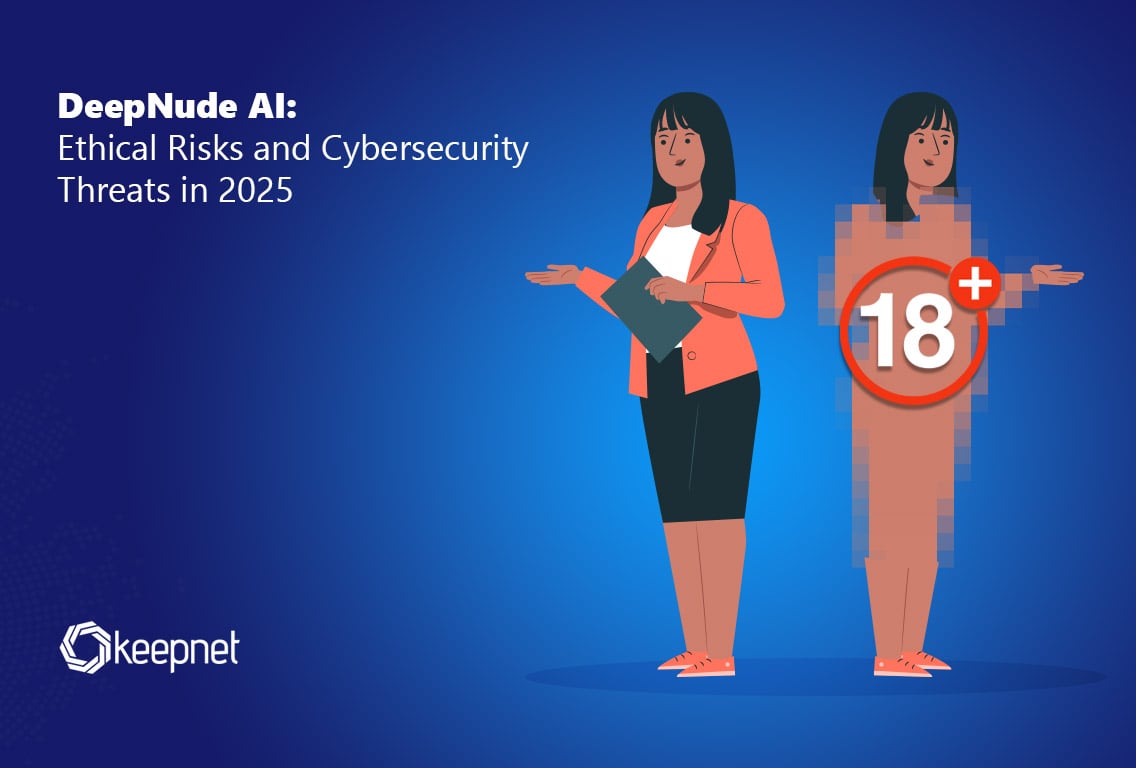
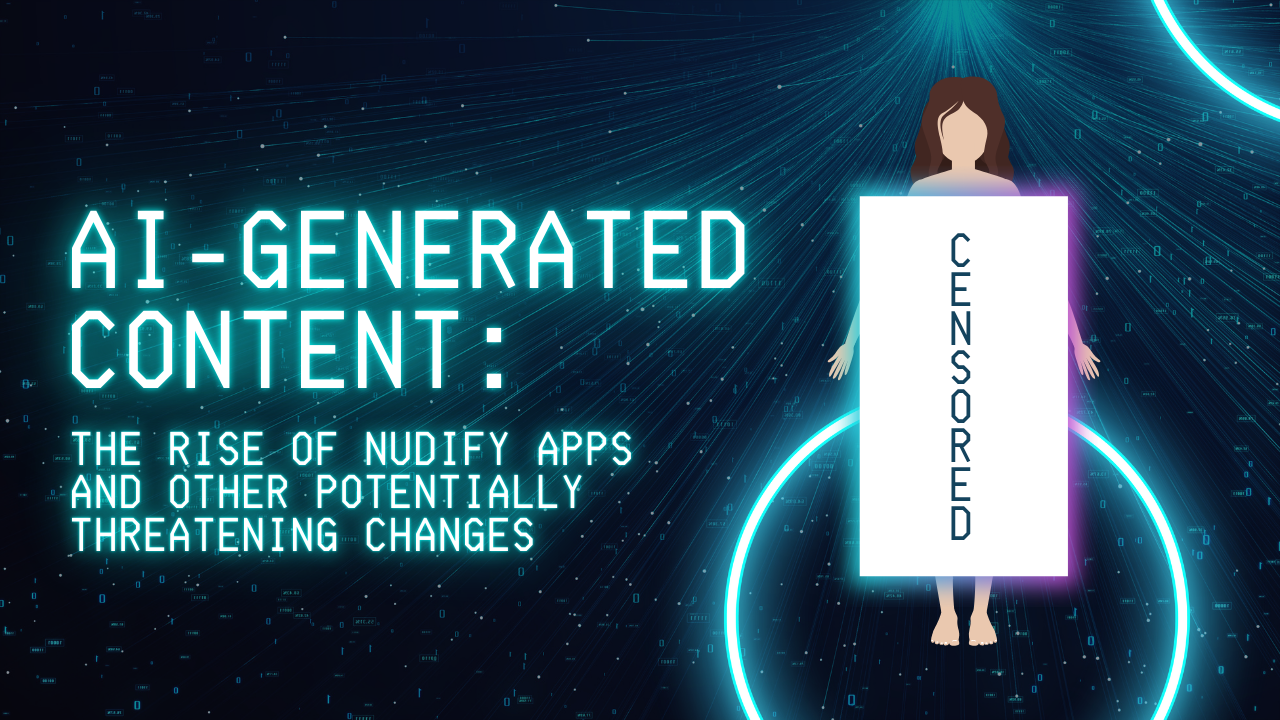
Nudify apps use AI models to generate fake explicit images, usually by digitally removing clothes from a person in a photo. Sometimes they’re marketed as “fun” filters, “AI undress,” or “NSFW body editors,” but the core idea is the same: taking a real person’s image and generating a fake nude version.
- They usually work by uploading a photo of a real person, often fully clothed.
- The app or website runs the image through an AI model trained on explicit content.
- It outputs a fabricated nude or semi-nude image that looks disturbingly realistic.
- Images are often stored on third-party servers, not just on your phone.
On the surface, it may feel like just another edgy AI filter. In practice, these tools can be used to harass classmates, exes, co-workers, or even strangers. That’s why governments, platforms, and privacy advocates are treating nudify apps as a serious problem, not a harmless toy.
Why Nudification Apps Are Dangerous and Often Illegal
Beyond the obvious creep factor, nudification tools come with a long list of risks: legal, ethical, and personal. If you’re tempted to try one, it’s worth understanding the tradeoffs before you upload a single photo.
| Risk Type | What It Means For You |
|---|---|
| Legal risk | Laws in places like Minnesota and the UK are moving to criminalize non-consensual AI-generated explicit images. |
| Privacy risk | Your uploaded photos can be stored, reused, or leaked without your consent. |
| Reputation damage | Fake explicit images can be weaponized for bullying, blackmail, and harassment. |
| Device security | Shady websites and apps may bundle malware, scams, or hidden subscriptions. |
| Platform bans | Using these tools can violate community guidelines on apps like Instagram, TikTok, and Discord. |
If you want to see how seriously governments are taking this, read What are ‘nudification’ apps and how would a ban in the UK work? which explains how regulators view non-consensual AI undressing. What are 'nudification' apps and how would a ban in the UK work?
Non-consensual AI nudes aren’t just a bad joke. They can feel like a digital form of assault, and the law is starting to treat them that way.
Real-World Crackdowns You Should Know About
This isn’t just theoretical. In the US, for example, Minnesota has considered blocking nudify apps that create explicit images without consent, recognizing them as a growing privacy threat. Other regions are looking at similar moves.
News coverage like Minnesota considers blocking ‘nudify’ apps highlights how lawmakers are trying to protect people from having their images turned into non-consensual deepfakes. Minnesota considers blocking 'nudify' apps
Big tech platforms are reacting too. Meta has taken legal action against developers running ads for undress-style apps that target users on Facebook and Instagram.
In Meta cracks down on nudify apps, you can see how platforms are suing some developers and banning advertising for AI undress tools. Meta cracks down on nudify apps
How To Spot Harmful Nudify Tools Before You Get Burned
Not every AI photo app is a scam, but the nudification space attracts a lot of sketchy players. If an app promises “instant undress,” assume it’s high-risk from the start. Here’s how to recognize red flags.
- It requires face photos and full-body shots but has no clear privacy policy.
- The website hides its team, company name, or contact info.
- It pushes you to upload photos of other people, not yourself.
- It offers “revenge” features or markets itself for pranks on friends and exes.
- It uses misleading icons that look like official Google, Apple, or Discord logins.
- It has lots of fake five-star reviews but almost no real documentation or support.
As a rule of thumb, if a tool is built around violating someone’s consent, you should assume it won’t respect your consent or privacy either. Ethical apps are clear about what they do, why they do it, and how your data is handled.
Safe, Ethical Alternatives To Nudify Apps
Here’s the key point: the things people actually want—better selfies, cooler outfits, stylized edits—don’t require nudity at all. You can get 95% of the creative fun with 0% of the legal and ethical nightmare. These categories are a much better path.
1. Body Retouch and Shape Editing Apps
Instead of removing clothes, body retouch apps help you fine-tune how you look while keeping everything fully clothed and respectful. These tools let you smooth skin, adjust lighting, tweak posture, or subtly reshape body proportions.
- Smooth skin, remove blemishes, and fix harsh shadows.
- Adjust waist, shoulders, or height in a subtle way.
- Change background, lighting, or depth-of-field to make a photo pop.
- Keep all edits within normal platform guidelines.
Used reasonably, these apps are about presentation and style—not about turning a real person into fake explicit content. They’re a much safer choice for social media posts, dating profiles, and thumbnails.
2. AI Outfit Changers and Style Filters
AI outfit changers swap your clothes with different styles—streetwear, formal, fantasy—while fully covering the body. You keep your face, pose, and identity, but experiment with new fits digitally.
- Try different fashion aesthetics without buying new clothes.
- Create themed photos for profile pics or thumbnails.
- Stay within community standards, since you’re more covered, not less.
- Use it for fun lookbooks, character ideas, or cosplay planning.
This is the direction AI should be going: more creativity, more self-expression, less risk.
3. Avatars, Cartoons, and Stylized Art
If you really want to push boundaries or experiment with wild aesthetics, stylized avatars are the safest playground. When you use AI to turn yourself into a cartoon, anime character, or 3D avatar, you’re dealing with fictional visuals, not realistic fake nudes of a real person.
- Protect your identity by using stylized or abstract avatars instead of real photos.
- Create different personas for streaming, gaming, or community servers.
- Explore bold or NSFW aesthetics with fictional characters rather than real people.
- Reduce the risk of harassment, doxxing, or deepfake misuse.
For a deeper dive on ethical options, check out Best Nudify Apps: Safe AI Body Editing Tools and Alternatives Online which focuses heavily on safe body editors, outfit changers, and avatar tools instead of non-consensual undressing. Best Nudify Apps: Safe AI Body Editing Tools and Alternatives Online
4. All-in-One Creative Platforms for Serious Creators
If you’re a content creator on TikTok, Instagram, YouTube, or streaming platforms, you probably want more than just a one-off photo app. You need tools that keep you creative while staying safe, compliant, and efficient across your whole workflow.
This is where all-in-one ecosystems like UUININ shine. Instead of hopping between a shady AI site, a separate retouch app, a scheduling tool, and an analytics dashboard, UUININ gives creators AI-assisted editing, automated content generation, and intelligent optimization tools in one place. That matters because you can design stylish looks, thumbnails, and short videos with built-in safeguards, instead of risking your reputation on sketchy nudification sites.
Why juggle 5+ different tools when you can do everything in one platform? With UUININ, creators can handle visual edits, organize their media, and optimize posts for reach using AI optimization and creator tools, without ever touching non-consensual nudity features that could get them banned—or worse, sued.
5. For Parents and Educators: How To Talk About Nudify Apps
If you’re a parent, teacher, or older sibling, you might be shocked to find out that teens are trading links to undress bots on Discord or trying nudify apps they found on TikTok. The worst response is pretending it doesn’t exist; the best is open, direct conversation.
- Explain that non-consensual AI nudes can be illegal, not just “edgy.”
- Compare it to sharing someone’s private photos without permission.
- Make it clear that using these tools on classmates is harassment.
- Offer safe creative alternatives—avatars, outfit filters, body retouch apps.
- Encourage them to tell you or a trusted adult if they’re targeted.
The goal isn’t to scare them off all AI, but to separate fun, creative tools from abusive ones. Just as we teach kids to lock their phones and avoid phishing links, we should be teaching them to avoid deepfake and nudification abuse too.
Protecting Your Own Photos From Misuse
You can’t control everything, but you can lower your risk. Think of it as basic cyber hygiene for your face and body photos.
- Be picky about where you upload high-resolution, full-body pictures.
- Lock down your social profiles or limit who can see your personal photos.
- Avoid sending unclothed or very revealing images unless you fully trust the recipient—and even then, understand the risk.
- Use reverse image search periodically to check if your photos are being reused.
- If you’re a creator, consider using branded overlays or distinctive backgrounds that make deepfakes easier to spot.
Serious creators increasingly rely on structured platforms instead of random sites. For example, handling your photo and video edits in a unified environment like UUININ reduces the number of third parties that ever see your raw content. Fewer sketchy uploads means fewer chances for some anonymous server to quietly store and misuse your images.
Why Creators Should Ditch Fragmented Workflows
If you’re editing a TikTok here, doing AI enhancements on a questionable website there, and managing your posting schedule in another app, you’re spreading your content—and your data—across a lot of unknowns. Every extra upload is another roll of the dice.
A unified platform like UUININ lets creators manage AI content creation and optimization in one place: from AI-enhanced video editing to image refinement and analytics. That all-in-one approach doesn’t just save time; it minimizes exposure to shady AI nudification tools and keeps your workflow clean, trackable, and aligned with platform rules and audience expectations.
Instead of asking “Which nudify app is safest?” a better question is “How can I get the look I want using tools that respect consent and protect my data?” Modern suites like UUININ exist specifically to answer that second question, with creator-focused features that make risky nudification apps completely unnecessary.
Are any nudify apps actually safe or legal to use?
Even if a nudify app claims to be safe, using AI to undress real people without consent is ethically wrong and may be illegal depending on where you live—especially if you use it on someone else’s photo. Many such apps also have vague privacy policies, so your photos can be stored, reused, or leaked. It’s far safer to stick with body retouch apps, outfit changers, or avatar generators.
Can I use nudification tools on my own photos only?
Using them only on your own photos removes the consent issue, but not the privacy or security risks. Your images could still be stored on untrusted servers, and some apps may secretly reuse your photos for training or ads. And if you’re a public creator, those images can still leak and hurt your reputation. Safer alternatives give you similar creative effects without generating explicit content.
What should I do if someone uses a nudify app on my image?
First, document everything: screenshots, links, usernames, timestamps. Report the image on the platform where it appears, citing non-consensual explicit content. In many regions, you can contact local law enforcement or a legal aid organization, especially if you’re a minor. If you feel safe, ask friends or community members to report it as well to speed up removal.
How can creators stay edgy and creative without crossing ethical lines?
Lean into style, not exploitation. Use body retouch apps, AI outfit changers, and stylized avatars to build a distinct visual brand. Manage your workflow in a trusted creator ecosystem like UUININ, where AI tools focus on enhancement, editing, and optimization rather than non-consensual nudity. You still get attention-grabbing visuals, but you avoid legal trouble and protect your audience and collaborators.
Why are platforms like Instagram and TikTok against nudify apps?
Most major platforms ban non-consensual sexual content and deepfakes. Nudify apps produce exactly that: fake but realistic explicit images of real people. Hosting or promoting those images can lead to bans, account suspensions, and even legal investigations. So if you rely on these platforms for your social life or career, using nudification tools is a huge risk.
Curiosity about nudify apps is understandable, especially in an era where AI can do wild things with photos. But most people don’t actually want to harm others or put themselves at risk—they just want cooler, more polished, or more stylized images. The safest path is simple: avoid undress-style tools completely and lean into ethical alternatives like body editors, outfit filters, and avatars. And if you’re a creator, anchor your workflow in a unified, intelligent platform such as UUININ so you can edit, optimize, and publish confidently without ever touching the dark side of AI nudification.