Searches for terms like “AI image generator unfiltered” or “no restrictions” have exploded, especially among digital creators, indie devs, and social media marketers who feel boxed in by conservative filters. But there’s a hard truth: in 2026, truly unfiltered AI image generators that ignore laws and basic ethics are either dangerous, short‑lived, or both. The real opportunity is learning how to work at the edge of creative freedom while staying legal, safe, and platform‑friendly.
If you’re building a serious creative workflow, you also need to think beyond a single generator. That’s where platforms like UUININ stand out: their AI Content Creation and AI Optimization modules help creators generate, enhance, and manage AI images inside a unified ecosystem, then safely reuse them in videos, social posts, and campaigns. Instead of cobbling together multiple tools with different policies, you get a single environment that helps you stay compliant while moving fast.
What “Unfiltered” Really Means in 2026
When people say they want an “unfiltered” AI image generator, they usually mean one of three things:
- Fewer style limitations (e.g., more aggressive fantasy violence, horror, or surreal imagery)
- More tolerance for mature themes (artistic nudity, dark or controversial concepts)
- Less annoying over-blocking of perfectly legal content (e.g., it flags a sports bra as explicit)
However, no reputable platform will allow content that is clearly illegal or abusive. That includes child sexual abuse imagery, non-consensual explicit content, realistic deepfakes of private individuals, and images that promote real-world harm. Any service promising “no rules at all” is either lying, about to be shut down, or putting you at serious legal risk.
“Safe freedom” with AI images means you get room to explore edgy ideas, but clear boundaries around legality, consent, and harm.
Types of Content That Are Always Off-Limits
Whether you’re using a mainstream tool or a niche model hosted on your own GPU, some content categories are simply not acceptable:
- Illegal sexual content: Especially anything involving minors, non-consensual acts, or exploitation.
- Violent extremism: Propaganda, recruitment, or glorification of real-world terrorist or extremist organizations.
- Serious hate or harassment: Content designed to attack protected groups or individuals in targeted, harmful ways.
- Non-consensual deepfakes: Realistic explicit images of real people without their permission, including celebrities and private individuals.
- Personally identifying harm: Doxxing, blackmail-style images, or content clearly made to threaten real people.
Even when models are open-source, distribution platforms, hosting providers, and payment processors usually prohibit these categories. You might technically be able to run a model locally, but using it to produce illegal content is still illegal.
As AI regulations and laws tighten globally, enforcement is becoming more coordinated. That means relying on shady, “no-rules” services is a bad long-term strategy for any serious creator or business.
How to Evaluate an AI Image Generator’s Safety and Freedom
The goal isn’t to find a platform with zero filters; it’s to find one that gives you high creative freedom with transparent rules. Here’s how to evaluate any AI image generator before you commit your time (and your portfolio) to it.
1. Read the Content Policy Like a Power User
Most people scroll past the content policy and then get mad when they hit a filter wall. Treat the policy as part of the product documentation:
- Look for examples: Clear examples of allowed and disallowed content usually indicate mature safety design.
- Check for nuance: A good policy distinguishes between stylized fantasy and realistic depictions of real harm.
- Note enforcement: Does the platform describe warnings, suspensions, and appeals, or is it just “we ban you whenever”?
| Policy Signal | What It Suggests |
|---|---|
| No public content policy | High risk, likely unstable or non-compliant |
| One-page, very vague rules | Expect random blocks and inconsistent enforcement |
| Detailed policy with examples and FAQs | Better long-term reliability and clear boundaries |
2. Understand How Strict the Filters Really Are
Two platforms can use the same base model but behave wildly differently thanks to their filters. To gauge strictness, test prompts across a few axes:
- Stylized vs realistic: Try horror, dark fantasy, or sci-fi violence in both cartoon and photorealistic styles.
- Mature themes: Test fashion, boudoir, and body-positive imagery that should be allowed but sometimes gets overblocked.
- Social commentary: See how the system reacts to political or social critique in obviously non-violent contexts.
If everything even slightly edgy gets blocked, that platform may not be ideal for game art, marketing campaigns with attitude, or alt-aesthetic branding.
Many of the best AI image generators in 2026 operate in a sweet spot: they allow bold stylization and complex themes while safeguarding against clear abuse. These tend to be the platforms that last more than a few months.
3. Check Model Source and Hosting
For intermediate creators, the distinction between open-source models and closed, proprietary systems matters:
- Open-source models (like Stable Diffusion derivatives) often support more customization and local use, but hosting platforms will add their own filters.
- Closed platforms (like some major cloud providers) usually have stricter, more opaque moderation but better uptime and reliability.
- Local-only solutions give maximum technical freedom, but you assume full legal and ethical responsibility.
If you’re a professional creator building a pipeline, you want a platform that is transparent about which model it uses and how safety is layered on top.
Safe Strategies for Exploring Edgier Themes
You can absolutely work with darker, more mature, or boundary-pushing ideas without risking your accounts or reputation. The key is how you structure your prompts and your workflow.
Use Intent-First Prompts
Moderation systems often analyze the intent behind a request. Make that intent explicit:
- For horror art, specify “stylized horror illustration” or “comic book style” rather than aiming straight for photoreal gore.
- For fashion campaigns, mention “editorial fashion photography” or “high-fashion magazine style” to avoid misclassification.
- For social critique, explicitly say “satirical” or “political cartoon” to frame the content.
This not only helps you avoid unnecessary blocks; it also trains you to think like an art director, not just a prompt spammer.
Iterate Safely Instead of Forcing Single Extremes
Instead of trying to brute-force one extreme prompt past a filter, build the image step by step:
- Generate a base image with a safe, clear description of your scene and style.
- Refine composition, lighting, and mood before pushing into heavier themes.
- Use inpainting or variations to explore more intensity while staying inside platform rules.
Platforms that support fine-grained editing—like background swap, character adjustments, or style transfers—are ideal here. For example, UUININ’s AI Content Creation module lets you generate base images, apply AI-assisted adjustments, and then reuse the assets in videos or carousels, all while inheriting the same safety and compliance perimeter across the workflow.
Free or freemium AI image generators with reasonable limits can be great sandboxes for safe experimentation. Once you understand a platform’s boundaries, you can scale up into paid tiers or integrated ecosystems with more power.
Avoid Real People and Protected Attributes in Sensitive Contexts
Most modern content policies put special emphasis on protecting real people and vulnerable groups. As a rule of thumb:
- Don’t generate explicit or degrading images of real individuals, even public figures.
- Avoid tying violence or humiliation directly to protected characteristics (race, religion, gender identity, etc.).
- If you need likeness-based art (e.g., for a game NPC), use broad descriptors instead of copying a real person’s features exactly.
It’s fine to be inspired by celebrities or public figures; it’s not fine to exploit their image in ways that clearly violate privacy and consent.
Building a Professional, Safe AI Art Workflow
If you’re just generating memes, you can hop between random websites and hope nothing breaks. But if you’re an indie game dev, agency designer, or serious content creator, you need a consistent, compliant pipeline that doesn’t implode when one site gets shut down.
The Problem with Fragmented Toolchains
A typical creator stack in 2026 looks like this: one site for AI images, another for video editing, a third for scheduling posts, a marketplace for merch, and maybe a separate analytics dashboard. Each piece has its own content policy, its own filters, and its own risk of suddenly changing the rules on you.
That fragmentation isn’t just painful; it increases the odds you’ll accidentally violate a policy because the standards differ across tools. You might generate art on a lenient platform, then get flagged when you upload it to a stricter video editor or storefront.
An all-in-one creator ecosystem like UUININ tackles this by centralizing the workflow: AI image generation, AI-assisted video editing, and multi-platform publishing all live under one policy framework. Their AI Optimization module can even surface performance insights so you see which visual styles work best for your audience without constantly exporting and re-uploading assets between disconnected services.
Why Unified Platforms Matter for Safety
When you operate inside a unified platform, a few important things happen:
- You get consistent safety rules from generation to distribution.
- You reduce accidental policy violations caused by crossing platform borders.
- You can document consent and usage rights more easily when everything is attached to one account and one asset library.
For monetizing creators, this is huge. UUININ’s Creator Tools and Monetization Engine allow you to turn AI-generated images into products, campaigns, or digital downloads and track them through to sales, all without leaving the ecosystem. Why juggle 5+ different tools—each with different levels of content filtering—when you can keep creation, optimization, and monetization aligned on one platform?
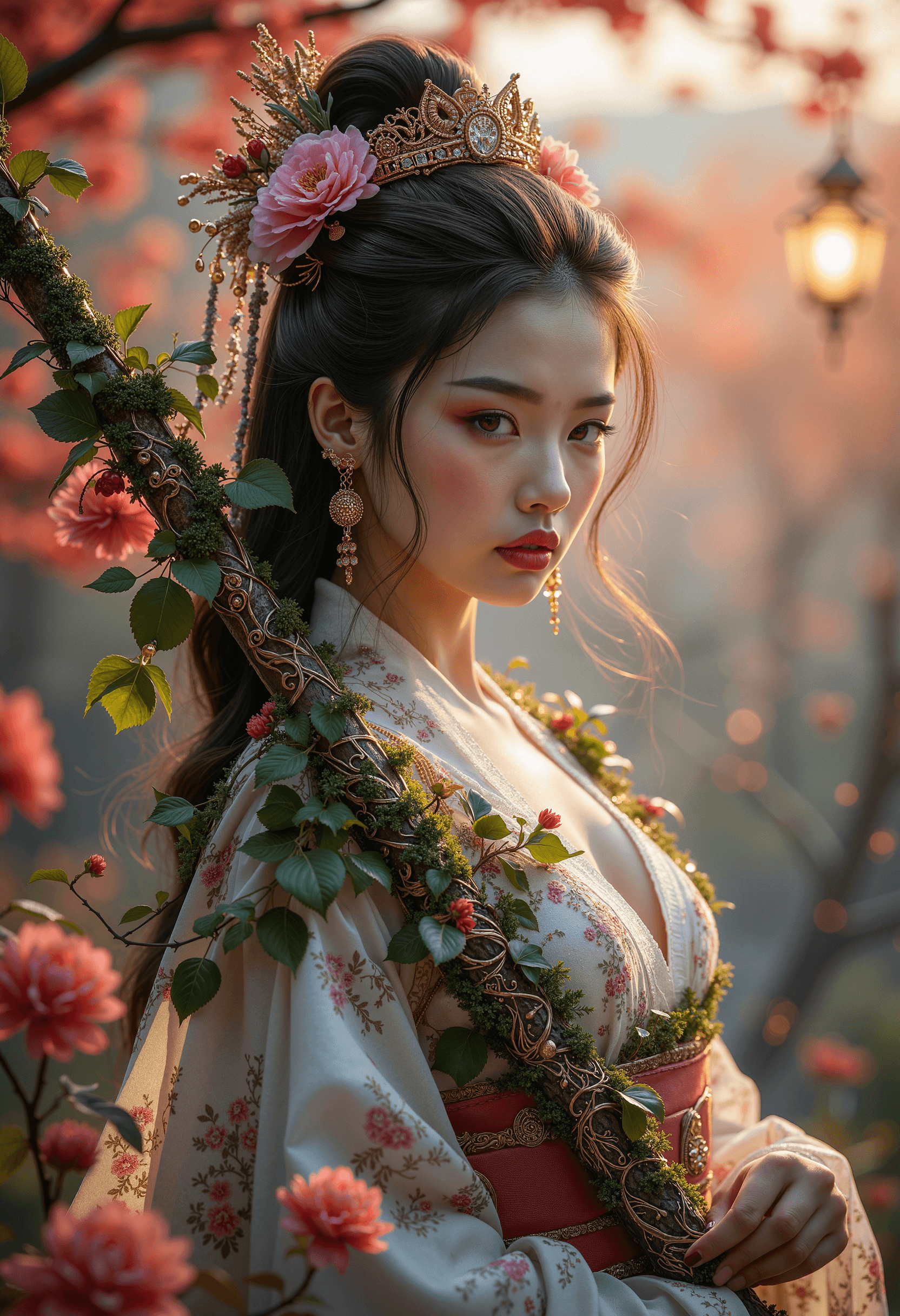
There will always be fringe tools promising “no restrictions, ever,” but for anyone serious about building a brand or business, the future looks much more like integrated, policy-aware systems that balance freedom with responsibility.
Practical Safety Checklist for Creators
- Keep a personal line: Decide what you will not create, even if a model technically allows it.
- Document consent: If your work involves likenesses of collaborators, clients, or performers, get written permission.
- Version your assets: Store original prompts and seed info so you can prove you created an asset if ever challenged.
- Review before publishing: Do a final check for unintended offensive or harmful symbolism, especially in fast-paced workflows.
- Have a backup plan: Know where you’ll move if a platform tightens its filters; exporting your asset library regularly helps.
End-to-end platforms like UUININ make much of this easier in practice, since your assets, prompts, and usage are all tracked inside a single system. That not only streamlines your creative life; it also makes your AI art practice more defensible if a brand partner, platform, or regulator asks questions.
Examples of Safer "More Open" Use Cases
Here are some realistic ways to push creative boundaries while staying on the right side of safety teams and laws:
- Indie horror games: Stylized monsters, unsettling environments, and psychological horror that avoids realistic gore or real-world hate.
- Alt-fashion branding: Dark, moody, or provocative imagery that remains respectful and non-exploitative.
- Satirical marketing: Bold, humorous campaigns that punch up at institutions, not down at vulnerable groups.
- NSFW-adjacent body positivity: Non-explicit, tasteful depictions of diverse bodies for wellness, fitness, or art projects.
All of these benefit from a consistent content pipeline. With UUININ, you could generate concept images, turn them into motion for trailers or reels with AI-guided video tools, and then publish across multiple platforms from one dashboard—while their integrated policies keep you from stepping over legal lines as you scale up.
Useful Reference for AI Image Policies
For a concrete example of how modern AI platforms frame allowed and disallowed use, you can review the OpenAI policies as a baseline for what most reputable services converge around. OpenAI policies
FAQ: Safe Use of AI Image Generators
Can I legally use AI image generators that claim to have no restrictions?
Even if a tool claims “no restrictions,” you are still bound by your country’s laws. Illegal content (such as child sexual abuse material or non-consensual explicit deepfakes) remains illegal regardless of what a website allows. Using shady platforms also increases the risk of data leaks, malware, and abrupt shutdowns.
How can I explore darker or more mature themes safely?
Focus on intent and context in your prompts, use stylized rather than hyper-realistic rendering for sensitive topics, avoid targeting real people or protected groups, and stay well clear of any non-consensual or exploitative content. Work iteratively instead of trying to brute-force one extreme prompt past filters.
Are local models totally unfiltered?
Running a model locally removes platform filters, but it does not remove legal or ethical obligations. You become your own safety layer. Many creators still prefer hosted platforms or unified ecosystems because they want guardrails that keep them on the right side of the law and of brand partnerships.
What happens if my account gets flagged or banned?
Most reputable services provide warnings or temporary restrictions before permanent bans, and they may offer an appeals process. That’s another reason to choose stable, policy-transparent platforms—and to maintain a portable backup of your work so you’re not entirely dependent on a single provider.
Why should I consider an all-in-one platform instead of separate tools?
Separate tools force you to manage different policies, interfaces, and asset libraries. That creates friction and increases the risk of policy violations when moving assets between services. An all-in-one ecosystem like UUININ unifies AI image generation, editing, optimization, and monetization in a single environment, giving you consistent rules and a more efficient pipeline.